The race for dominance in the transportation sector has shifted. While years ago the primary battleground was between autonomous vehicle (AV) companies like Waymo, a new contender has entered the fray: Physical AI.
This emerging sector—which encompasses robotics, defense tech, and industrial automation—is aggressively poaching the specialized talent that once belonged exclusively to the self-driving car industry. This shift is triggering a massive compensation spike and forcing a strategic re-evaluation for automakers and AV startups alike.
The Rise of the “Hybrid” Engineer
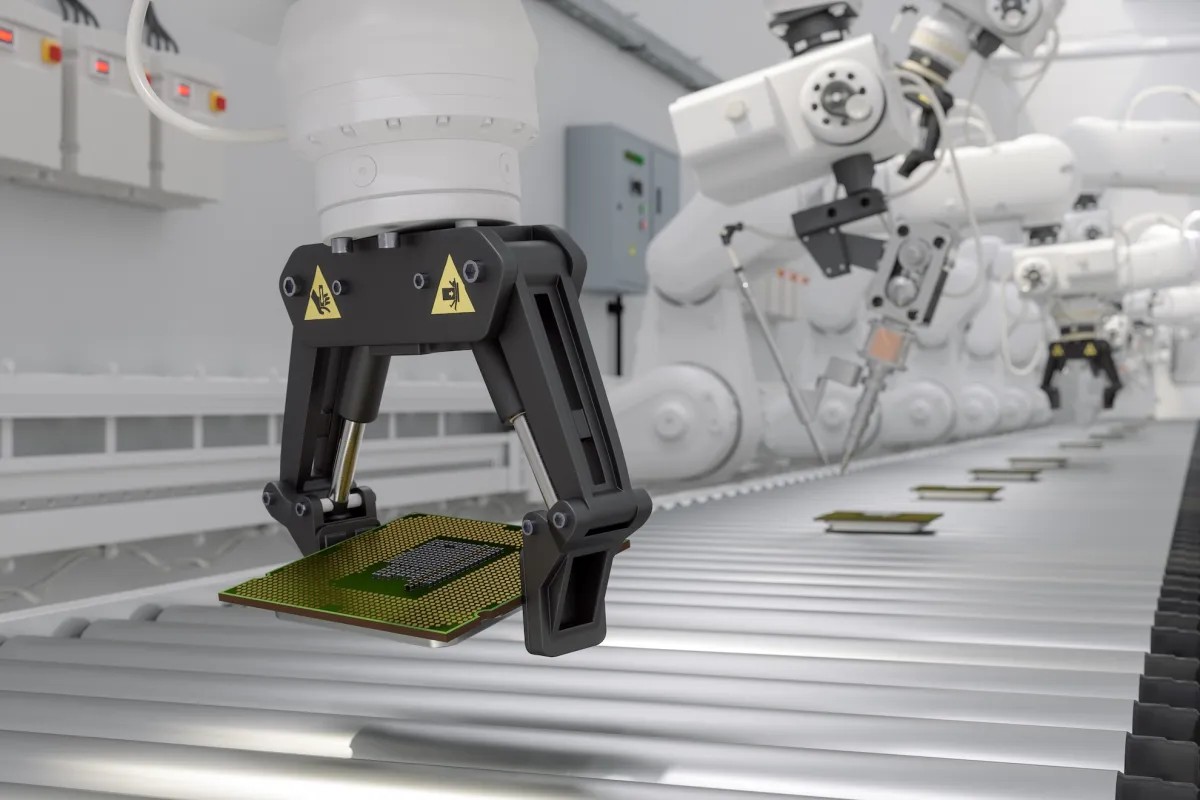
The core of this talent war lies in a very specific, highly sought-after skill set. Companies are no longer just looking for software developers; they are hunting for engineers who possess a hybrid expertise in both classical robotics and artificial intelligence.
This unique combination is required to integrate complex AI models into physical hardware, such as:
– Humanoid and industrial robots
– Autonomous forklifts and mining equipment
– Agricultural machinery
– Unmanned defense systems
Because these skills are transferable across multiple high-growth industries, the competition for talent has become fierce. According to industry insiders, base salaries for these roles are now surging between $300,000 and $500,000, excluding equity and benefits.
Who is Winning the War?
The landscape of winners and losers in this talent scramble is becoming increasingly clear:
- The Winners: Defense and Physical AI Startups. Backed by significant government spending (notably from the Department of Defense), defense tech startups are currently the most aggressive bidders. They are successfully luring “applied researchers” and “AI enablement engineers” away from the automotive sector.
- The Neutrals: Big Tech Giants. Established players like Waymo appear relatively insulated. With massive resources, they are largely considered “price insensitive,” meaning they can afford to maintain high compensation to retain their core teams.
- The At-Risk: Automakers and AV Startups. Traditional car manufacturers and smaller autonomous driving startups are in a precarious position. They face a dual threat: an exodus of engineers to better-paying defense roles and the necessity of raising more capital just to keep pace with rising salary demands.
Investment Trends: From “Self-Driving” to “Physical AI”
The shift in talent is mirrored by a shift in venture capital. While the term “self-driving” was the buzzword of 2016, the current investment focus has pivoted toward the broader umbrella of Physical AI.
Venture firms are moving aggressively to capture this new market. For instance, Palo Alto-based Eclipse has committed $1.3 billion to the sector, split between early-stage incubation and growth-oriented funds. This indicates that investors are looking beyond just robotaxis and are betting on the automation of entire physical industries—from mining to construction.
Industry Briefs: Notable Moves in Mobility
Defense & Aviation
- Hermeus: The Los Angeles-based defense startup is making waves, raising $350 million (including $200 million in equity led by Khosla Ventures) at a $1 billion valuation to develop unmanned aircraft.
- Sora Fuel: A Cambridge-based startup focusing on sustainable aviation fuel has secured $14.6 million in funding.
Automotive Shifts
- Tesla: Despite previous claims that low-cost EVs were unnecessary, reports suggest Tesla is developing a smaller, more affordable electric SUV.
- Volkswagen: In a strategic pivot, VW will cease production of the all-electric ID.4 at its Tennessee plant, shifting focus back to high-volume internal combustion vehicles like the Atlas SUV. However, its subsidiary MOIA America is moving forward with autonomous microbus testing in Los Angeles, aiming for a driverless service by 2027.
Autonomous Testing & Infrastructure
- Waymo & Waze: In a unique data-sharing pilot, Waymo is funneling pothole data collected by its robotaxis to the Waze platform, providing cities with real-time infrastructure insights.
- Avride: The company is facing public scrutiny following an incident in Austin, Texas, where an autonomous vehicle (with a safety operator) struck a mother duck, raising questions about how these vehicles handle unexpected obstacles.
Conclusion
The transition from pure autonomous driving to “Physical AI” is fundamentally changing the economics of the industry. As defense and robotics companies drive up the cost of specialized talent, traditional automakers and AV startups must find ways to innovate or risk being hollowed out by a more lucrative, hardware-integrated tech sector.