China is on the list now. Well. Almost.
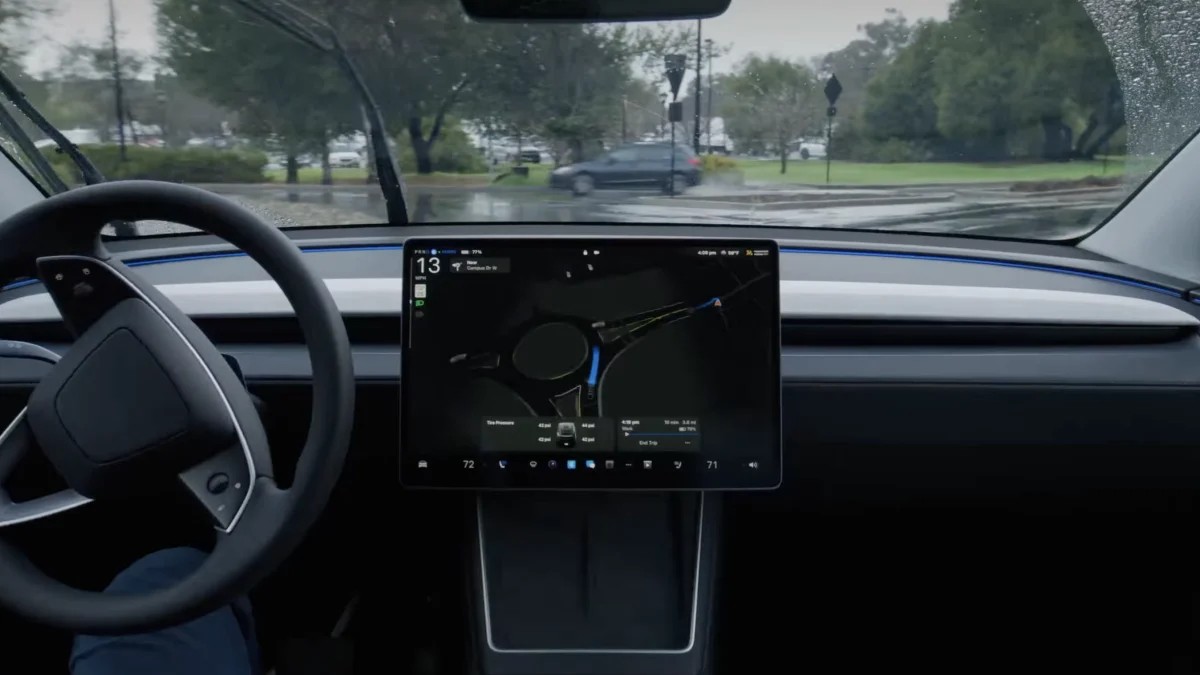
Tesla tweeted Thursday. Added its name to the growing roster of places where the Full Self-Driving package technically lives. Lithuania joined the club too. Only the second European nation to get in after the Netherlands made the jump.
Look at the map. It’s spreading. Australia. Canada. Mexico. Puerto Rico. New Zealand. South Korea. And the U.S., obviously. China is in that sentence now. Lithuania is in there. The Netherlands. A global sprawl of beta testing.
Silence elsewhere though. No press releases. No timelines. Just a list updated in a timeline feed.
“Progress is under way”
China Daily said as much. Insiders talking off record. The complete version? Not quite here yet. But close enough that Tesla feels brave listing it alongside the Netherlands and Lithuania.
Does this make sense commercially? Yes.
China is massive. Crowded. Dangerous in a way that stresses sensor arrays differently than the highways of Texas or the lanes of Amsterdam. Local players like Xpeng and Xiaomi aren’t standing still. They’ve been offering similar semi-autonomous features for months. Tesla can’t just park in Shenzhen and watch them take market share.
Before, it was tricky. Autopilot? Fine. Enhanced Autopilot? Sure. Full Self-Driving? Locked behind a paywall of bureaucracy and limited rollouts for select users. CNBC noted the restriction earlier. Now the lock is looser.
Timing feels… political. Elon Musk was in Beijing just recently. Walking beside President Trump and other American business figures to meet Xi Jinping. Deals are often cut in handshake lines. This rollout looks like a nod to that visit. Or maybe just a coincidence. Probably the former.
The money part remains steep.
In China, you don’t subscribe. You pay. Once.
The package they call “Intelligent assisted driving ” costs 64,00 yuan. That’s roughly $9,400. One lump sum. Ouch.
Meanwhile in the US? FSD is $99 a month. Cheap entry. Easy exit. Different strategy for different crowds.
So now we wait. See if the “progress” becomes pavement. See if Chinese roads can actually handle the software as much as the software can handle the roads.