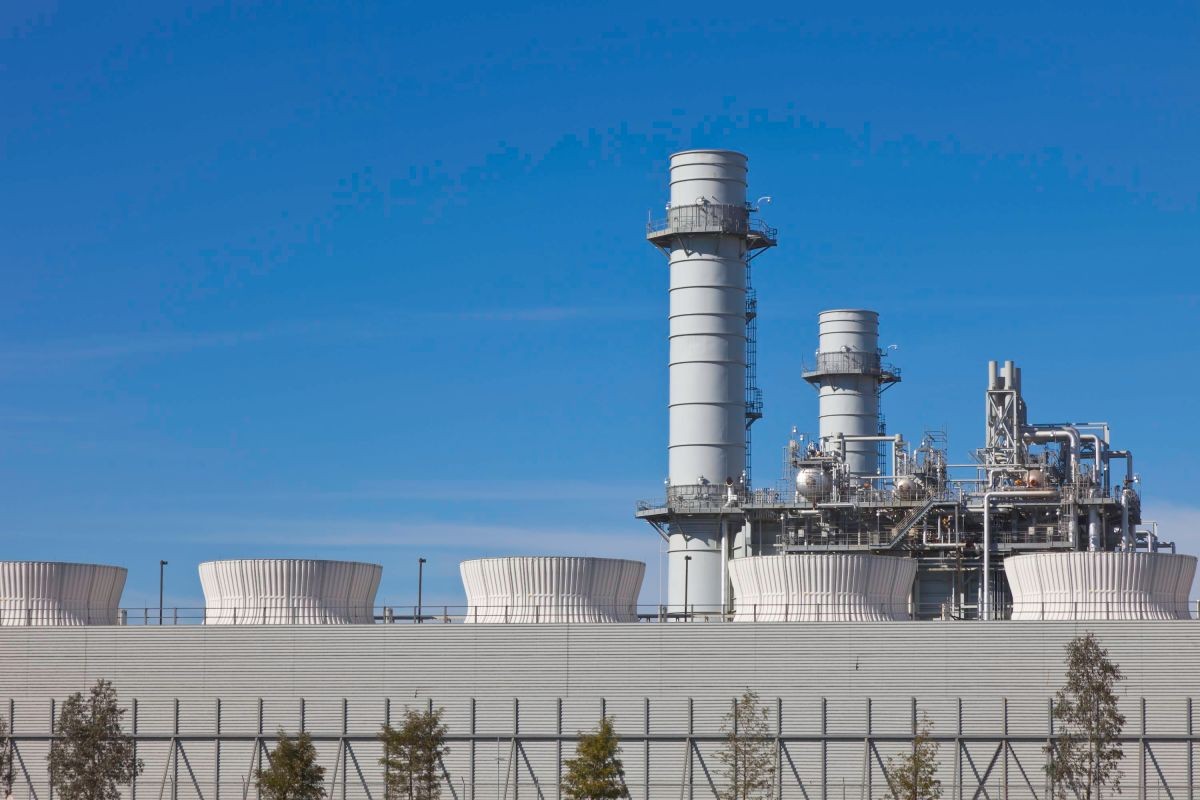
The race to fuel the artificial intelligence revolution is hitting a significant economic roadblock. As tech giants like Microsoft and Meta pivot toward natural gas to power their massive data centers, the cost of building the necessary infrastructure is skyrocketing.
According to a recent report from BloombergNEF, the price of constructing a new combined cycle gas turbine (CCGT) power plant has surged by 66% over the last two years.
The Rising Price of Infrastructure
Despite relatively stable natural gas prices in the United States, the capital required to build generation facilities has climbed sharply. In 2023, the cost to build a new plant was under $1,500 per kilowatt of capacity; by last year, that figure had risen to $2,157.
This financial strain is compounded by significant delays. It now takes 23% longer to complete a new facility than it did previously, creating a bottleneck for companies desperate to secure reliable energy.
The “AI Effect” on Electricity Demand
The primary driver behind this shift is the unprecedented scale of modern data centers. The industry is undergoing a massive transformation in size and energy requirements:
- Explosive Growth: Electricity demand from new data centers is projected to rise from 40 gigawatts today to 106 gigawatts by 2035 —a nearly threefold increase.
- Scaling Up: Currently, only 10% of data center facilities are 50 megawatts or larger. However, over the next decade, the industry average is expected to exceed 100 megawatts.
- The Shift in Strategy: While tech companies historically relied on renewable energy through power purchase agreements (wind, solar, and batteries), the sheer volume of energy required by AI is forcing a move toward the constant, “always-on” reliability of natural gas.
A Supply Chain Crisis: The Turbine Shortage
The rush to build gas plants has triggered a critical shortage in the most essential component: the gas turbine.
Because turbines can account for up to 30% of a plant’s total cost, their price volatility is a major factor in the overall expense hike. By the end of this year, turbine prices are expected to be 195% higher than they were in 2019.
The problem is not just cost, but capacity. The specialized manufacturing processes required for these turbines cannot be scaled quickly, leading to massive backlogs. As a result, many companies are facing waitlists that stretch into the early 2030s.
Social and Regulatory Friction
This energy scramble is creating tension beyond the boardroom. As utilities struggle to meet the demand, they often pass the costs of new power generation onto the general public. This has fueled a growing backlash against data centers, as residents worry about rising utility bills and the environmental impact of increased fossil fuel reliance.
Furthermore, there is increasing political pressure on the sector. The current administration has encouraged data center operators to “bring their own power,” a move intended to shield the existing electrical grid from the massive loads required by AI.
The transition to AI-driven computing is creating a paradoxical loop: the more the industry scales, the more expensive and difficult it becomes to provide the very energy required to run it.
In summary, the intersection of AI growth and energy infrastructure limits is creating a supply chain bottleneck, driving up costs for developers and potentially passing those expenses onto the wider public.