Meta isn’t taking chances. If you try to sneak a shot by covering up the blinking white light on your Meta Ray-Ban glasses, the camera just dies.
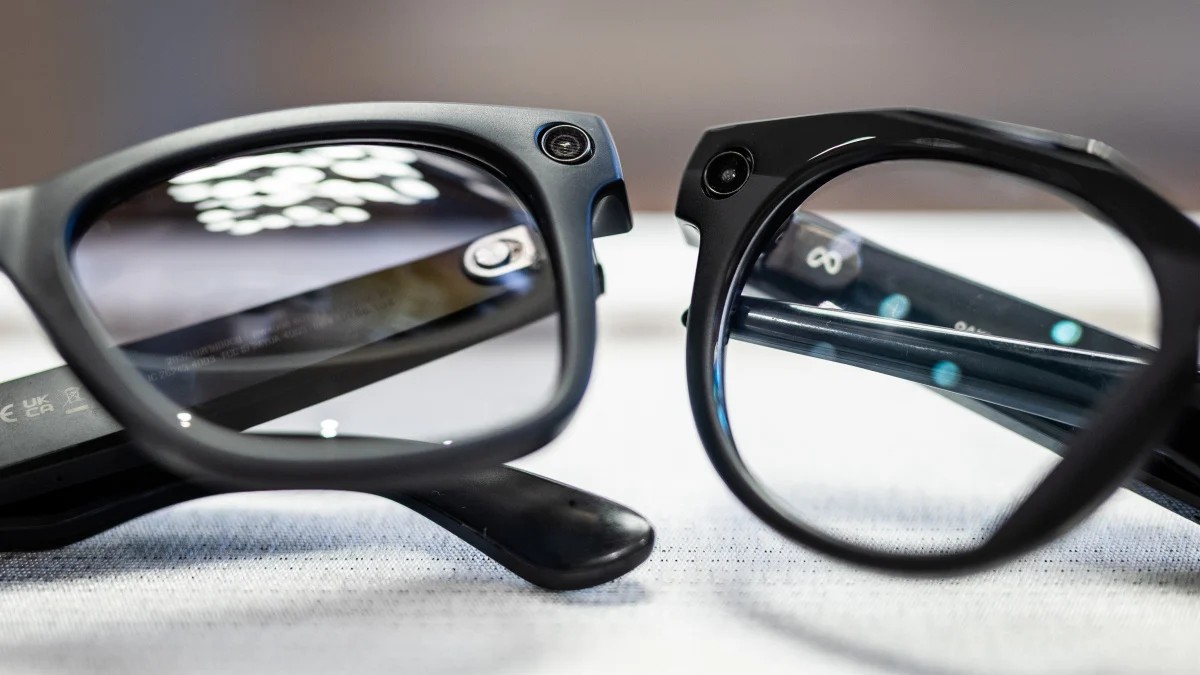
The tech giant confirmed this hard-lock feature in a July 7 blog post. It’s a direct response to privacy backlash. The system detects tampering with the capture LED. This is the small indicator on the frame’s edge. It tells everyone around you that the lens is active.
Block that light. Cover it. Hide it.
The result? The camera goes dark. It won’t work again until the device sees the light returning to its rightful place.
How to stop Meta glasses from filming discreetly
This isn’t a beta test. It’s live on Gen 2 devices right now. The rollout extends to the entire line, including the new Meta x Kylie Jenner partnership models. You don’t get a choice. The feature is mandatory for all users.
Meta is also cracking down on sellers. If third-party vendors advertise glasses with disabled LEDs, they’re facing bans on Meta platforms. The message is loud: you can’t sell a way around the rules.
The safety feature detects when a user has tamored with or covered the wearable’s capture light, disabling the camera immediately.
Why the white LED matters more than a sound
Privacy advocates have been screaming about this. They say the hands-free recording capability is a surveillance nightmare. People feel harassed. Women report being filmed without consent in public spaces. It’s a valid fear.
But Meta insists the small white LED is the “best combination of visibility and user experience.” A bigger light? Maybe. A flashier one? Sure. But they claim this specific design works for both day and night without ruining the aesthetic.
What about a sound? Why not have the glasses beep or chirp when recording?
Meta says that’s impractical. You can’t hear it from a distance anyway. It wouldn’t actually protect the privacy of people nearby. It’s just noise.
So you’re left with the blinking dot. A tiny, white reminder that you’re being watched. Or doing the watching.
Try to cheat it, and the device bricks the lens. Simple as that.
The debate over ethics in public recording isn’t slowing down. But at least now, the tools to bypass consent won’t work. Not easily, anyway.
Whether this stops the harassment is another story. But for now, the light stays on. And so does the scrutiny.