


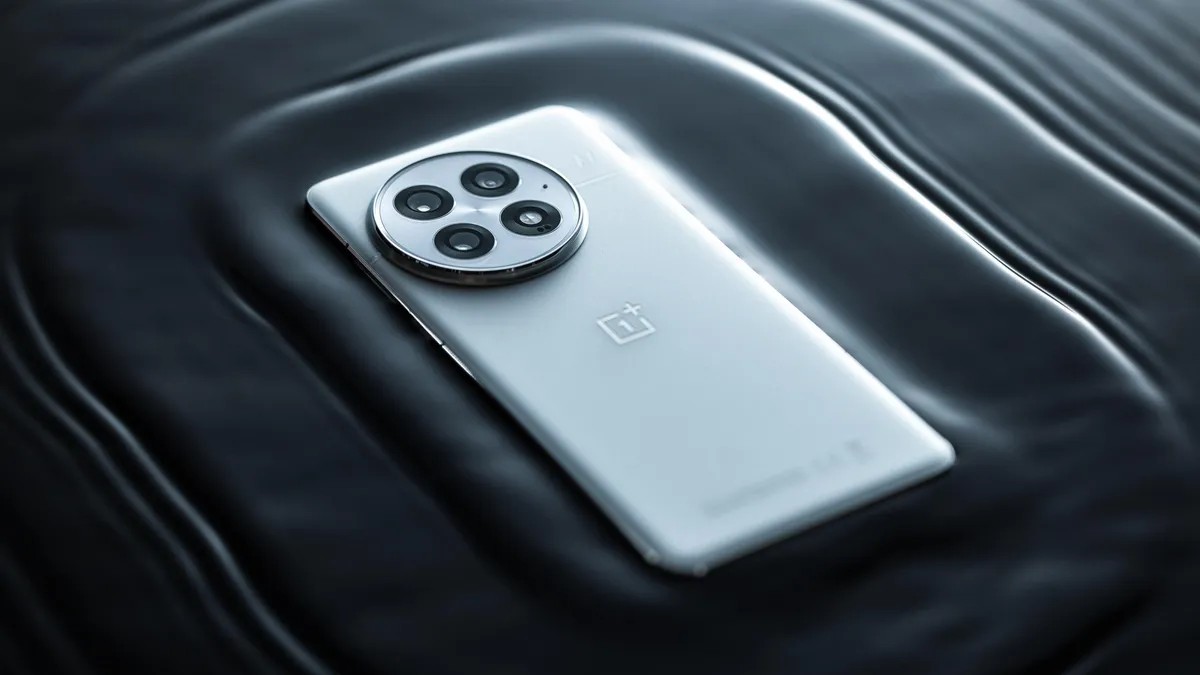
OnePlus is done. At least in America and Europe.
The announcement is clear: no more OnePlus phones after the 2025 OnePlus 15 hits shelves. Parent company Oppo isn’t killing it with malice. It’s not even a hostile takeover. It’s just business logic, cold and simple. All Western operations merge into the Oppo brand starting now. China gets to keep the OnePlus name. The rest of us? We’re going home. Or rather, we’re going to Oppo.
Why does this matter to you? Probably because you own a device, or maybe you’re wondering why the “flagship killer” vibe evaporated over the last few years. It wasn’t just bad marketing. The market broke. Memory chips cost a fortune. Shipments tanked to levels not seen since 2013. And in that pressure cooker, niche brands don’t survive long when they can’t compete on price anymore.
How the OnePlus 15 Is the Final Curtain Call for the US and Europe
This isn’t a phase. It’s a strategic retreat. The spokesperson made it plain.
“This was neither a case of Oppo instructuring OnePlus nor a unilateral decision.”
They sat down. They looked at what users wanted in 2026. The answer was efficiency. Consolidation. So OnePlus in North America and Europe shuts down its phone manufacturing. The spirit of the brand—whatever that means now—moves inside Oppo. Realme, the other Oppo sibling, is doing the reverse. They’re leaving China but keeping overseas sales.
It’s a shuffling of chairs.
The smartphone industry is in a tailspin. IDC data shows global shipments dropped in Q1 2026 after years of growth. Counterpoint says it’s the lowest shipment level since 2013 why? Limited memory supply. Sky-high prices. Everyone has to pay more, but people are buying fewer phones.
Most brands survived this shakeup. OnePlus didn’t. Well, sort of. The entity survived, but the brand you know? That’s gone. It was the first major casualty of Oppo’s internal restructuring.
Why Did the Flagship Killer Model Stop Working?
Remember when Pete Lau and Carl Pei launched OnePlus in 2013? Cult following. Limited drops. High quality, low price. The whole “Never Settle” ethos felt revolutionary because it worked. Then Pei left in 2020 to start Nothing. The cult followed him to some degree, but OnePlus kept aging.
It got bloated. Prices crept up. It started looking like just another Android manufacturer.
Paolo Pescatore, an analyst at PP Foresight, put it bluntly. OnePlus lost its clarity.
“It built its reputation as a disruptive ‘flagship killer,’ but higher prices, a broader portfolio, and closer integration with Oppo left it increasingly looking like another premium Android brand.”
Being different costs money. Supply chain pressures are insane right now. Marketing costs are up. Regulations are stricter. You need retail presence. After-sales service. Software support.
OnePlus failed on scale, not on the hardware itself. Pescatore notes it struggled to keep its identity distinct while trying to match the investment requirements of bigger rivals. In Europe? Fragmented markets. Fierce competition. In the US? No carrier deals. No store frontage. How do you gain traction without shelves or plans?
It’s impossible. So they quit.
Will Your OnePlus Phone Get Color OS Updates?
Don’t panic. Yet.
If you bought a OnePlus 13, 14, or 15, you’re safe for now. Your warranty holds. Your promised software updates stick.
But here is the catch: OxygenOS is dead.
Your updates will now come via Oppo. This means your phone interface switches from OnePlus’s Oxygen OS to Oppo’s Color OS.
Is this bad news?
Maybe not. The two skins are twins. Almost identical under the hood. You might see a few icon changes, some slight tweaks in settings, maybe a different notification shade aesthetic. Functionally? Same device.
Is the OnePlus Name Truly Extinct Globally?
Only in the West.
OnePlus still has a massive user base in India and, most importantly, its home court of China. The brand name survives there. Oppo hasn’t said if other regions outside NA and EU will face the same fate.
“We will communicate further regional information when needed.”
Vague? Yes. Standard corporate speak? Also yes. Keep watching. The Chinese market is different. Less carrier-dependent, different regulatory landscape, massive local scale. OnePlus might thrive there long after it’s forgotten in New York.
Will Oppo Actually Sell Phones in the US?
Not today.
Oppo stated clearly: no product plans for North America right now.
“We are continually evaluating opportunities in markets around worlds,” the company said.
That’s the best we have. No Oppo OnePlus 16 coming to Amazon or Best Buy soon. If you want an Oppo-branded device in the States, you’re probably looking at a travel purchase or a grey market import. For now, the West loses both OnePlus the phone and Oppo the phone.
What replaces that void? Probably Samsung. Probably Google. Or maybe the next startup tries the “limited drop” trick again and fails just as fast.
The market changes. You buy what’s there. OnePlus 15 remains the best bet if you’re hunting for that specific hardware. Once it sells out, the option list shrinks.


