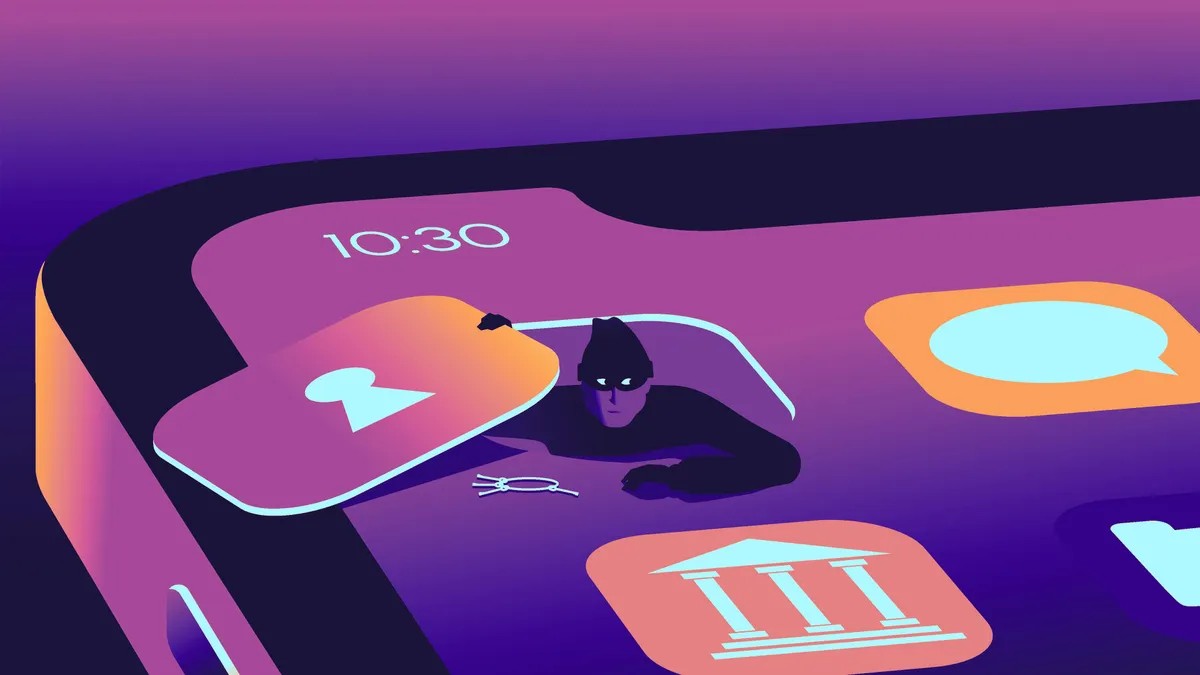
The money is gone. The accounts are locked. Maybe your reputation took a hit, too. It feels like the internet ate you alive.
And honestly? It’s probably already happened to someone you know. Pew Research says 73% of US adults have been hit by online scams. It is the new normal. Not a glitch. The standard operating procedure.
Here is the damage control manual. Read it. Do the things.
1. Hit the Freeze Button
Stop the bleeding. Right now.
If a bank account or credit card got exposed, freeze it. Call the number on the back of the card or dig it out of the banking app. Some people use identity theft services to do this, but speed matters more than convenience right now.
Freezing stops them from buying Lamborghinos with your credit. It also stops you from buying groceries. Automatic payments? They bounce. Call your utilities, your landlords, whoever owes you money, and explain you are temporarily insolvent because a robot tricked you.
Getting the money back is… tricky. It depends. Maybe you get it. Maybe you don’t. Your bank might keep the account frozen until the cops figure out what happened. Ask them. Ask nicely.
2. Tell the Adults
Call the bank first. Then call the authorities.
Law enforcement wants to know. Even if you think the case is small, data aggregates. Patterns emerge. Your report helps someone else down the line.
In the US? The FTC has a list of contacts. Go there. Outside the US? Google “where to report scams” and add your country name. It is a hassle, I know. Do it anyway.
3. Check Your Policy
Do you pay for high-end antivirus software? Bitdefender, Malwarebytes? Some of those come with insurance for identity theft. If so, call them. They might cover some losses. Most people never look at these clauses until they are already drowning in regret. Check the fine print now.
4. Reset Everything
Change the password. Not just the compromised one. All of them.
Seriously. If your email is gone, your banking logins might as well be posted on Facebook. Reset every single thing you care about. It takes hours. It sucks. It is necessary.
5. Ditch the Passwords (Try Passkeys)
Why keep remembering strings of gibberish that scammers will steal anyway?
Try passkeys. They work on cryptography pairs—one part on your device, one on the site. To log in, it scans your phone. Then you put in a PIN or use your fingerprint.
No password to steal. No “Forgot Password?” link to click. Just you. And your face.
It is better than a password manager, mostly because you don’t have to hope the manager company doesn’t get hacked, too.
6. The Nuclear Option: New Email
Is your current inbox flooded with spam? Did it leak publicly?
You can change addresses. But it is a massive pain in the neck. You will forget to update a newsletter. You will lose access to an old forum account from 2012. I do not recommend it unless your primary address is completely trashed.
If you just need to separate the messy from the vital? Create a secondary email. Use it for sketchy sign-ups, high-risk sites, or things that scream “DATA BROKER HAVEN.” Keep your work email clean. Use the burner account for everything else. It is tedious, but it keeps your life’s email from becoming a black hole of scams.
Hygiene: For Next Time
You stopped the fire. Now check the smoke detectors.
Strong credentials. A password manager. Or, as mentioned, passkeys. Turn on two-factor authentication. Always. If a hacker gets your password but doesn’t have your phone, they are stuck. It gives you that second to breathe when a login fails.
Clean House
Where else is your data?
Old accounts you forgot about? Delete them. Especially ones holding financial info. Use a cleanup tool if you need help finding the ghosts.
Data brokers? People-finder sites? They are selling your address to everyone who pays five dollars. You can manually opt out. It takes all weekend. Or you pay a service like McAfee or Bitdefender to scrub it for you. Pick your poison.
Use a good VPN. Not just for illegal streaming. For hiding your IP. Opt out of targeted ads. Block trackers in your browser. Make yourself boring. Boring data sells to nobody.
Shut Up Online
Scammers don’t just steal data. They watch you.
What do you post on social media? Your dog’s birthday? Your anniversary? The model of your new car? That is gold.
Check your privacy settings. Who sees your posts? “Friends”? Good. “Public”? Terrifying. Delete old posts that reveal too much. Be suspicious. The internet never forgets, but it also never keeps secrets if you share them freely.
Will Technology Save You?
Probably not.
Companies like Norton have “scam detectors.” You screenshot a suspicious text or email, upload it, and AI tells you if it looks bad. It works sometimes.
But then I tested highly personalized scams. The AI called them safe. The scammers are getting smarter. The detectors are playing catch-up. Don’t trust a button. Trust your gut. And then verify.
The Aftermath
You feel stupid. You feel violated.
Stop feeling. Start acting. Freeze. Report. Change. Clean up.
The money might stay gone. But you can stop the next round. Usually, there is a next round if you leave the door open.
Keep your head. You survived the hit. Now secure the perimeter.