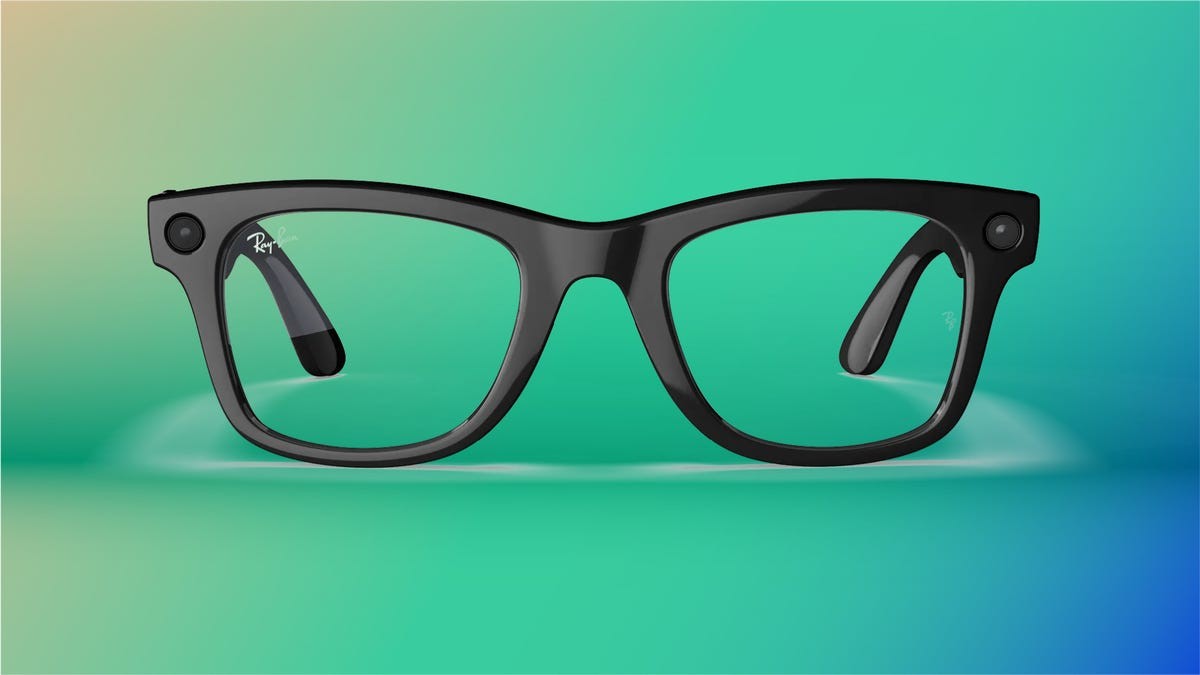
Meta is doubling down on a distinct vision for artificial intelligence: personal superintelligence. During the company’s first-quarter earnings call, CEO Mark Zuckerberg outlined plans to integrate advanced AI agents directly into consumer hardware, specifically its line of smart glasses. This strategy marks a clear departure from the broader tech industry’s current focus on enterprise and coding tools, positioning Meta as a champion of AI for personal empowerment rather than professional automation.
The Philosophy of Personal Empowerment
Zuckerberg’s core argument is that AI should amplify human capabilities in daily life, not replace workers. In a blog post from July 2025 and repeated during the recent earnings call, he described a future where AI assists with health, learning, relationships, and career goals.
While competitors like Anthropic, Google, and Microsoft are heavily investing in tools for business workflows—such as Claude Code and Codex—Meta is leveraging its dominance in social platforms (Facebook, Instagram, Threads) to target the personal sphere.
“My view of AI is very different from many others in the industry… I think that AI is going to amplify people’s ability to do what you want.” — Mark Zuckerberg
This distinction raises a critical question: If the enterprise market drives the current AI boom, how will Meta monetize its consumer-focused approach? The answer lies in hardware integration and lifestyle utility.
Smart Glasses as the Interface
Meta’s smart glasses are the primary vehicle for this strategy. Zuckerberg emphasized that all current models are designed to update seamlessly with new AI capabilities. The goal is to evolve these devices from simple question-answering tools into persistent personal agents that assist users throughout the day.
Key features of this vision include:
* Continuous Assistance: Agents that help users remember tasks and achieve personal goals.
* Visual Context: Understanding the user’s surroundings to provide relevant information.
* E-Commerce Integration: Leveraging Meta’s history with online shopping to create AI tools that excel at retail recommendations and purchases.
Zuckerberg noted that while other labs focus on coding or logic, Meta is unique in prioritizing social context and shopping as key AI competencies. This reflects a philosophical difference: Meta views AI as a tool for navigating the complexities of everyday life, from social cues to consumer choices.
Technological Progress and Competition
To support this hardware ecosystem, Meta is advancing its underlying AI infrastructure. The launch of Muse Spark, the company’s latest frontier model, signals progress in its AI lab led by Alexandr Wang. Zuckerberg stated that this model proves Meta is on track to build a leading AI research division.
However, the competitive landscape remains intense. Established players like Google, OpenAI, and Anthropic have been developing their model capabilities and customer bases longer. Meta’s challenge is to catch up in raw model performance while differentiating itself through its consumer-centric applications.
Navigating a Turbulent Quarter
Despite the optimistic long-term vision, Meta faced significant headwinds in the first quarter of 2026. The company experienced a chaotic period marked by:
* Product Instability: The near-cancellation and subsequent revival of its Metaverse app.
* Privacy Backlash: Public outrage over reports that third-party contractors could view sensitive user data, including nudity and bank records, via smart glasses.
* Legal Challenges: Losses in two major lawsuits regarding child safety, which the company warned could result in “material loss.”
* Workforce Reductions: Reports of upcoming massive layoffs.
Financially, Meta beat revenue expectations, but declining user growth caused its stock price to drop. The company attributed some user dips to external factors, including internet outages in Iran due to geopolitical conflict and a ban on WhatsApp in Russia.
Increased Investment Amid Rising Costs
Looking ahead, Meta is preparing for a capital-intensive future. The company raised its 2026 capital expenditure forecast to between $125 billion and $145 billion, an increase from the previous ceiling of $135 billion.
Zuckerberg attributed this rise partly to higher component costs, specifically citing a global shortage of memory chips (RAM) driven by the intense demands of AI data centers. This investment underscores Meta’s commitment to building the infrastructure necessary for its personal AI agent vision, even as it navigates regulatory, reputational, and market challenges.
Conclusion
Meta is betting that the future of AI lies in personal, wearable integration rather than just enterprise software. By focusing on smart glasses and lifestyle-oriented agents, the company aims to differentiate itself in a crowded market. However, success will depend on overcoming privacy concerns, legal hurdles, and high infrastructure costs while convincing consumers that these AI agents add tangible value to their daily lives.