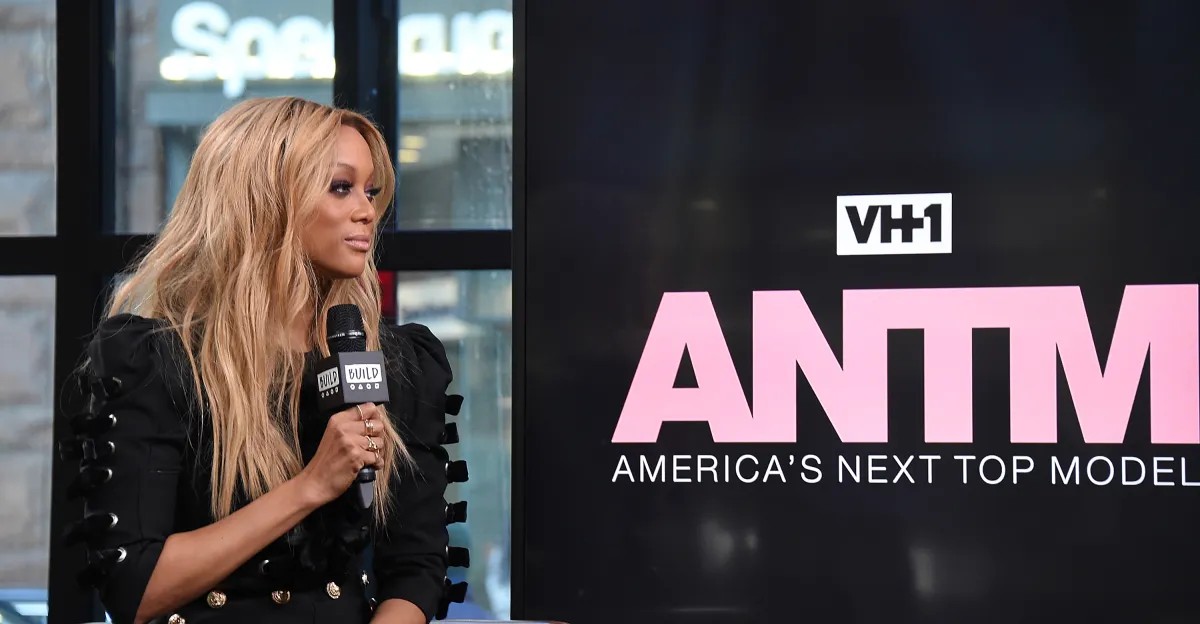
Two decades after its debut, the reality television phenomenon America’s Next Top Model is facing renewed scrutiny. A new documentary, Reality Check: Inside America’s Next Top Model, revisits the show’s most controversial moments, prompting its creator, Tyra Banks, and former contestants to confront the program’s legacy. The discussion raises a crucial question: how should we evaluate entertainment created in a different cultural moment, and what accountability should we expect from those who shaped it?
### La influencia del programa y los estándares cambiantes
America’s Next Top Model emerged in the early 2000s, a period when reality TV was solidifying its cultural dominance. The show, with its dramatic eliminations and often-exploitative challenges, became a blueprint for countless imitators. However, in a media landscape increasingly aware of ethical concerns and representation, many aspects of the show haven’t aged well.
El análisis de la serie que hace el documental llega en un momento en que el público está reevaluando el entretenimiento pasado a través de una lente más crítica. La pregunta no es sólo si el programa fue problemático según los estándares actuales, sino cómo contribuyó a normas dañinas que persisten incluso ahora. As culture writer Scaachi Koul explains, “We are in a phase where we’re rethinking all of those things… All of the things we watch, they are all guided by these reality shows from 2000 to 2010.”
### El lado oscuro de la competencia: la historia de Shandi
Una de las revelaciones más inquietantes del documental se centra en la modelo Shandi, cuyo encuentro borracho en Milán fue sensacionalista para las cámaras. The show framed her actions as a betrayal, exploiting her shame for dramatic effect. Today, this scene is being re-examined through the lens of consent and exploitation.
Koul points out that Shandi, now an adult, can retrospectively recognize the situation as non-consensual. The documentary highlights how systemic issues allowed this kind of behavior to pass unchecked. The show required multiple people to approve the storyline, exposing a broader failure of responsibility.
### La presión para conformarse: el diente hueco de Dani
Another key issue explored in the documentary is the pressure placed on young women to conform to unrealistic beauty standards. Model Dani was pressured to close the gap in her front teeth, reflecting the industry’s relentless pursuit of perfection. Tyra Banks reconoció esta práctica y afirmó que ciertos rasgos físicos eran simplemente incompatibles con las campañas de alta costura.
Esta dinámica subraya una tensión fundamental: el programa expuso simultáneamente las duras realidades de la industria y al mismo tiempo las perpetuó activamente. Banks herself admits, “I believed her and I still believe her when she would say, you need to lose weight because you’re not going to get a cover girl campaign if you’re bigger.” The point of the show, Koul argues, was “the tension between who you were and who you are supposed to become.”
### La rendición de cuentas y la ilusión del progreso
The documentary ultimately leaves a lingering question: who is accountable for the harm caused by the show? Many expect Tyra Banks to take responsibility, but Koul suggests that the blame lies with a constellation of individuals who enabled the exploitative environment. La propia Banks parece impenitente y ofrece justificaciones desdeñosas como: “Bueno, ese era el momento”.
Koul concluye que en realidad poco ha mejorado desde que se emitió el programa. Harmful behaviors still permeate society, from political leaders posting racist content to the continued pressure on women to conform to unrealistic standards. The documentary serves as a reminder that retrospectives are valuable not just for understanding the past, but for shifting the Overton window and creating a more ethical future.