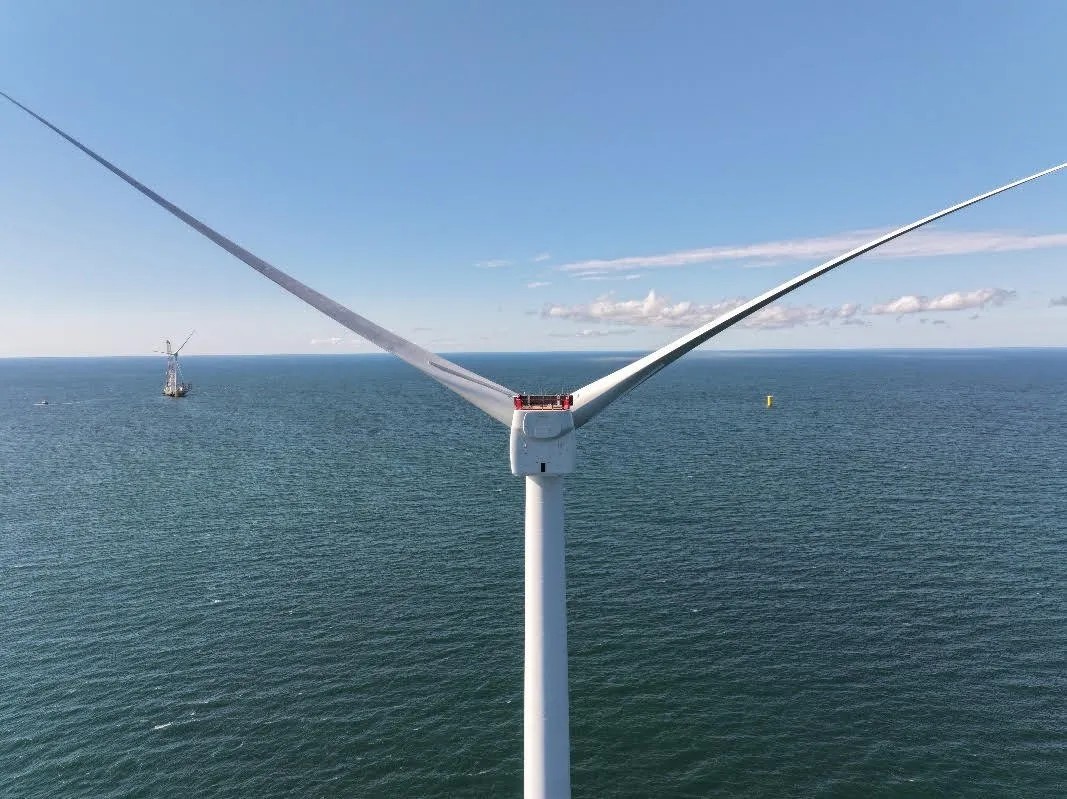
The Biden administration has once again halted the approval of at least 6 gigawatts (GW) of offshore wind projects along the Eastern seaboard, citing potential national security risks related to radar interference. This move affects major developments, including Revolution Wind, Coastal Virginia Offshore Wind, Vineyard Wind, Empire Wind, and Sunrise Wind – collectively representing a substantial portion of planned clean energy capacity.
The Rationale Behind the Delay
The Department of the Interior justified the pause by referencing unclassified and classified government reports, alleging that wind turbines pose a growing threat to radar systems used for defense and civilian applications. Specifically, rotating turbine blades create a complex Doppler signature that can interfere with radar detection, making it harder to track potential threats.
This isn’t a new issue. Concerns about radar interference have been discussed for over a decade. The Department of Energy released a report in February 2024 acknowledging the challenge but also highlighting ongoing mitigation efforts. However, the government claims that current technologies haven’t fully resolved the problem, leaving critical radar functions vulnerable.
Why Radar Interference Matters
Radar systems are essential for national security, tracking everything from aircraft to missile launches. Wind turbines, particularly large-scale offshore projects, can disrupt these systems by creating false signals or masking real targets.
The challenge lies in the movement of turbine blades, which constantly change their position relative to radar stations. This creates a fluctuating signal that can mimic the movement of other objects, potentially leading to misidentification.
Mitigation Strategies Already in Place
Despite the government’s concerns, experts say that radar interference is manageable. Solutions include:
- Adaptive Processing Algorithms: Systems can learn to filter out turbine-generated signals using techniques like Space-Time Adaptive Processing, similar to noise-canceling headphones.
- Strategic Siting: Wind farms can be designed to avoid direct line-of-sight with critical radar installations.
- Ongoing Research: The wind industry and government agencies have been collaborating for years to refine mitigation technologies.
The 2024 Department of Energy report confirms that these efforts have allowed wind energy deployment to continue without significant disruptions to radar operations.
The Bigger Picture
This latest delay highlights a recurring tension between clean energy development and national security priorities. While the administration insists it’s addressing legitimate concerns, critics argue that the move is politically motivated. The pause could further slow down the US offshore wind industry, which already faces permitting hurdles and supply chain challenges.
The Biden administration’s actions raise questions about its commitment to accelerating clean energy transitions while simultaneously safeguarding national security interests.
The long-term implications remain unclear, but it’s evident that finding a balance between these competing priorities will require continued collaboration between the government, industry, and researchers.