Tech billionaire Peter Thiel is sounding alarms about an impending “Antichrist” figure, sparking controversy within the Roman Catholic Church. For months, Thiel has publicly voiced fears rooted in biblical prophecy, predicting a coming leader who will exploit anxieties over existential threats—like nuclear war, climate change, and artificial intelligence—to establish a global totalitarian regime.
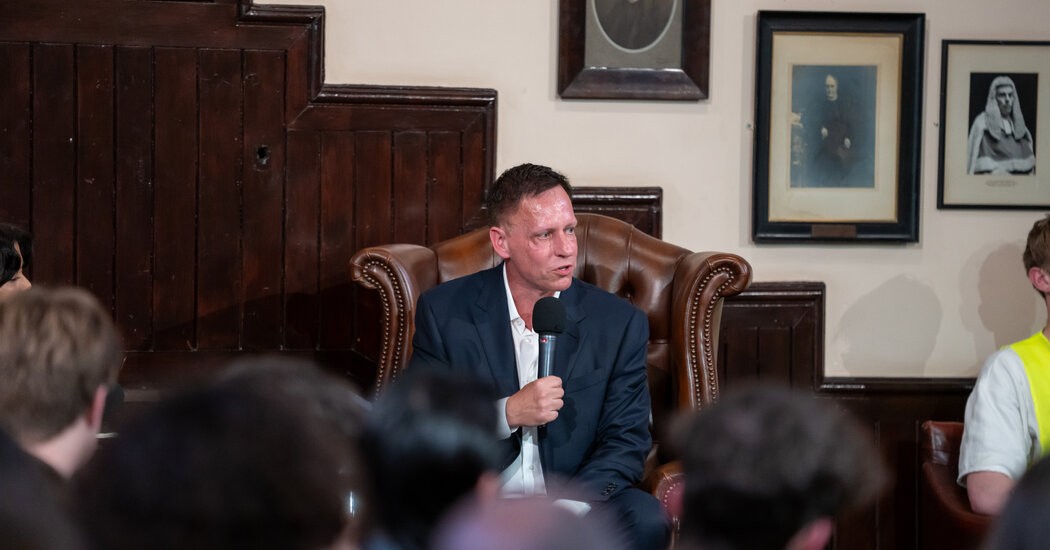
Thiel’s warnings have now drawn sharp criticism from Catholic theologians as he presents his views in Rome. He delivered a series of lectures this week, hosted by a conservative Christian group, that suggest “occult forces” are actively working to undermine Western civilization. The lectures, which began on Sunday, were met with immediate pushback.
One Vatican advisor, Rev. Paolo Benanti, called Thiel’s vision “disturbing” in a recent essay titled “American heresy: Should we burn Peter Thiel?” The intensity of the response differs sharply from the relatively muted reactions to similar lectures in San Francisco and Paris earlier this year. The proximity of the lectures to the Vatican appears to have galvanized Roman Catholic commentators into a more vocal opposition.
Why this matters: Thiel’s warnings tap into existing anxieties about the rapid advancement of technology and potential geopolitical instability. His focus on a centralized, controlling “Antichrist” figure resonates with fears of unchecked power, whether from governments or corporations. The Vatican’s response highlights the ongoing debate within Christian thought about how to interpret apocalyptic prophecies in a modern context.
The debate over Thiel’s claims also raises questions about the intersection of faith, technology, and political ideology. His warnings, framed in religious terms, may appeal to certain conservative audiences while alienating others. The controversy suggests that even within established religious institutions, there is no consensus on how to navigate these complex issues.
Ultimately, Thiel’s warnings and the resulting backlash underscore a broader tension between technological progress, spiritual beliefs, and the search for meaning in an uncertain world.