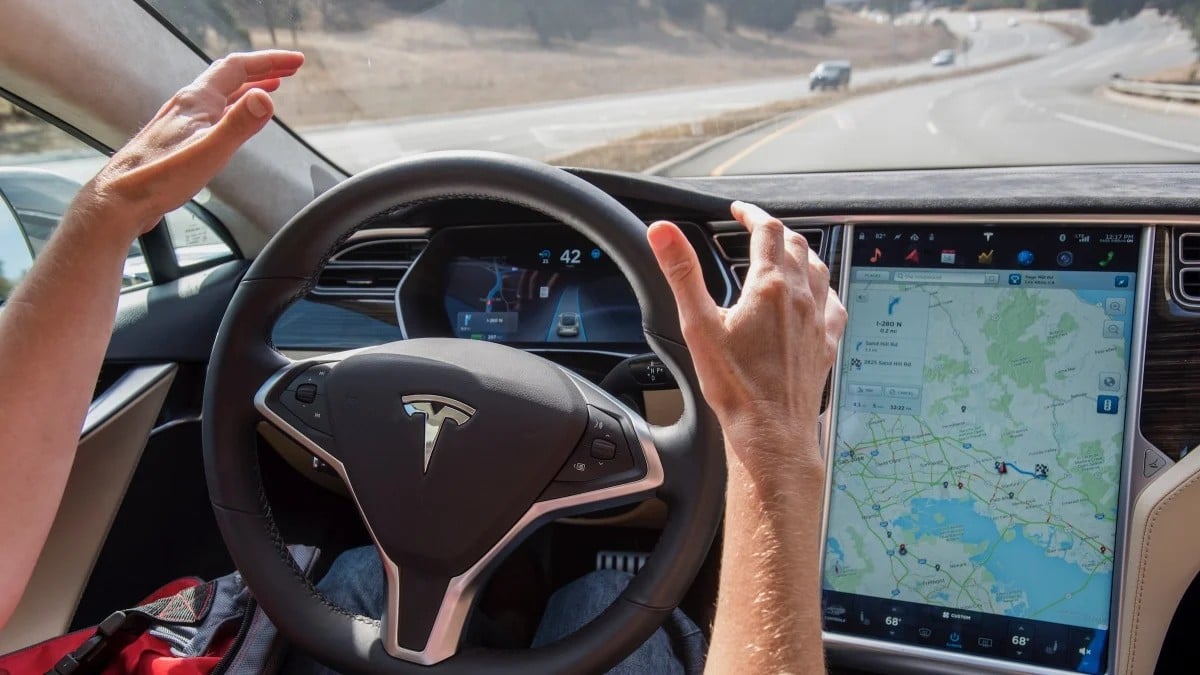
A California judge has ruled against Tesla, suspending the company’s ability to conduct business in the state for 30 days due to what the court deems deceptive marketing practices surrounding its “Autopilot” and “Full Self-Driving Capability” (FSD) systems. The ruling, effective January 15, demands that Tesla either cease using these terms or fundamentally upgrade its technology to justify them.
The Core of the Dispute
The California Department of Motor Vehicles (DMV) filed a complaint arguing that “Autopilot” and “FSD” misrepresent the actual level of autonomy provided by Tesla’s driver-assistance features. According to the National Highway Traffic Safety Administration (NHTSA)’s Levels of Automation, Tesla’s systems are currently rated Level 2 – meaning they require full driver attention – while the names imply Level 3 or higher (conditional automation, or fully autonomous).
The judge, Juliet E. Cox, upheld the DMV’s authority to regulate vehicle advertising, stating that consumer harm isn’t a prerequisite for enforcement. Tesla has openly declared its intention to defy the order, a move that could result in further penalties if unaddressed within 60 days.
Context and Broader Implications
This case is not isolated. It follows a trend of increasing legal scrutiny over Tesla’s Autopilot system, particularly after the July verdict in Florida where the company was ordered to pay over $240 million in damages following a fatal crash involving Autopilot. This was the first instance of a court finding Tesla at least partially liable for an accident caused by the technology.
Why this matters: The debate over autonomous vehicle naming conventions highlights a critical issue. Misleading marketing can erode public trust, especially when safety is involved. The lines between driver assistance and full autonomy are blurry, and consumers may overestimate a vehicle’s capabilities if the branding suggests otherwise.
Tesla’s Response and Future Outlook
Tesla, seemingly undeterred, recently reposted a video showcasing a driverless Tesla “robotaxi” in Austin, Texas, with the caption “Just saying.” This move is seen by many as a direct challenge to the court’s authority.
Despite the legal battles, some studies suggest that advanced driver-assistance systems, even with their limitations, may contribute to overall road safety. However, the long-term impact of these technologies on accidents and liability remains a developing story.
The California ruling underscores the growing tension between Tesla’s ambitious vision for autonomous driving and the need for accurate consumer representation. If Tesla continues to resist, it risks further legal conflicts and potential market restrictions beyond California.