Tesla has filed a patent for a new vehicle roof design that could pave the way for direct satellite connectivity in its electric vehicles. The U.S. and European patent application, filed December 4th (application number 2025/0368267), details a roof assembly constructed from radio frequency (RF) transparent materials like polycarbonate, ABS, or ASA plastics. This design allows for the seamless integration of antennas directly into the roof structure, enabling clearer communication with satellites.
The Core of the Innovation
The patent outlines a vehicle roof assembly specifically designed to overcome the signal-blocking properties of typical metal and glass car roofs. The key innovation lies in the use of RF-transparent polymers, which permit satellite signals to pass through without obstruction. Beyond connectivity, the design also incorporates impact protection through a “membrane effect” and enhanced thermal/acoustic insulation via integrated foams.
Why This Matters: The Rise of Connected Vehicles
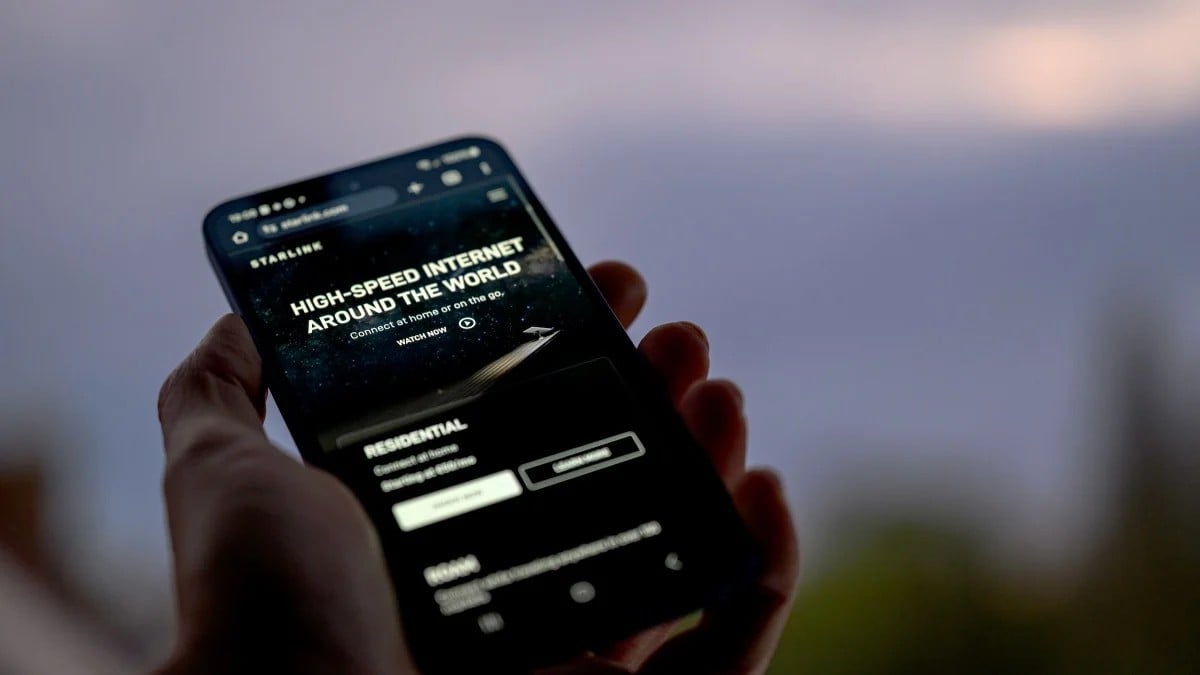
This development is significant because it addresses a growing need for ubiquitous internet access in vehicles. While current Tesla models rely on cellular networks, integrating satellite antennas—potentially Starlink—would provide connectivity even in remote areas where cellular service is unavailable.
The market for this kind of connectivity is already apparent: Tesla owners are already retrofitting their cars with Starlink Mini dishes, indicating demand.
Speculation and Future Implications
Although Tesla has not explicitly confirmed plans to incorporate Starlink into its vehicles, the timing and design of the patent strongly suggest this is a possibility. Companies routinely file patents for technologies that may never materialize, but in this case, the RF-transparent roof assembly is tailor-made for satellite communication.
If implemented, this would give Tesla vehicles a substantial edge in connectivity over competitors. Combining 5G cellular with satellite internet would create a truly connected driving experience, unlocking possibilities for over-the-air software updates, real-time navigation, and in-car entertainment in areas with limited infrastructure.
The patent demonstrates Tesla’s ongoing investment in next-generation automotive technology, and it underscores the growing trend toward seamless connectivity in modern vehicles.