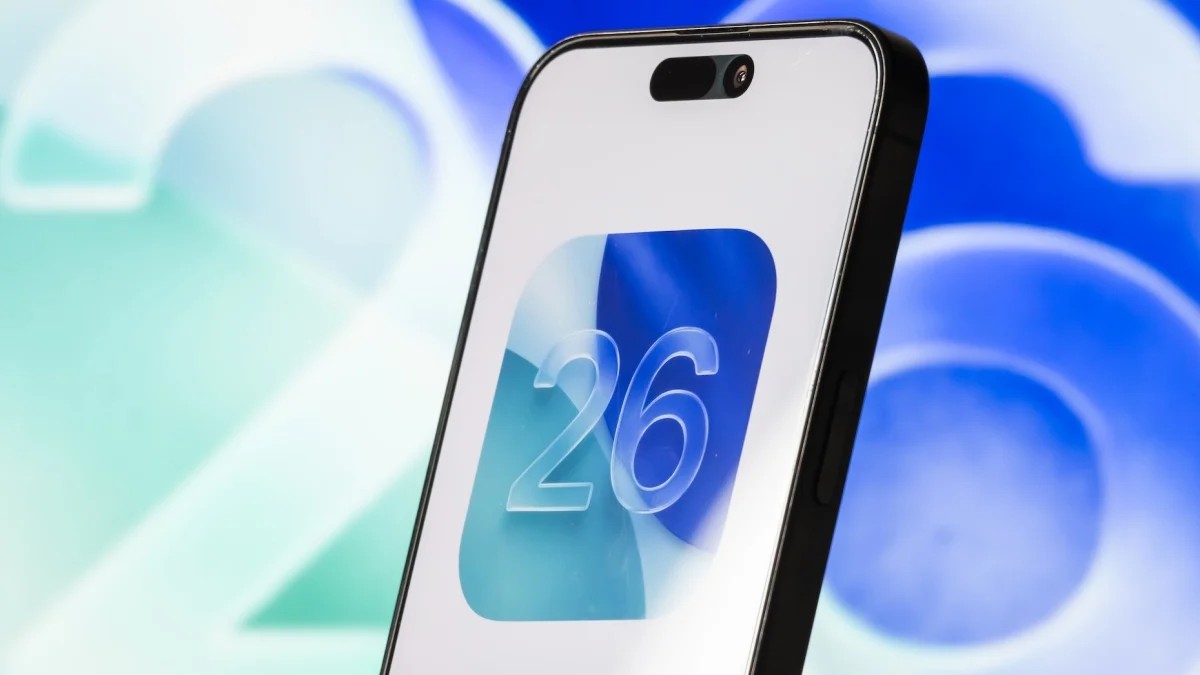
Reports of widespread user backlash against Apple’s iOS 26 are misleading, due to a technical flaw in how usage data is being tracked. Despite initial statistics suggesting low adoption rates, a bug within Apple’s Safari browser is inflating figures for older iOS versions. This means that current data on iOS 26 uptake is unreliable and does not reflect actual user behavior.
The Misleading Numbers
Statcounter data initially indicated that fewer than 5% of iPhone users were on the latest iOS 26.2, with an additional 10% using iOS 26.1. The majority were reportedly still running older versions, including iOS 18, with a small but concerning number on even older software like iOS 16 and 15. However, these numbers are skewed by a bug: Safari incorrectly reports that iPhones are running iOS 18.7, the most popular version of iOS 18, regardless of their actual operating system.
Why This Matters
The Safari bug is significant because Apple’s browser dominates mobile usage. Statcounter notes that Safari accounts for 51% of all mobile browser users in the US, including Android owners. This widespread use means the bug has a large impact on reported iOS version distribution.
The bug doesn’t change the fact that some users dislike iOS 26 — the Liquid Glass design has drawn criticism, and some users report faster battery drain. But it does mean that any claims of a mass boycott are currently unsupported by accurate data.
What Happens Next
Apple is expected to fix the Safari bug in iOS 26.3. Only then will we have reliable data on iOS 26 adoption rates. Until then, any conclusions drawn from current statistics should be treated with skepticism.
The situation highlights the importance of verifying data sources, especially when dealing with technical metrics from proprietary software ecosystems. Accurate reporting is crucial for understanding user behavior and market trends.