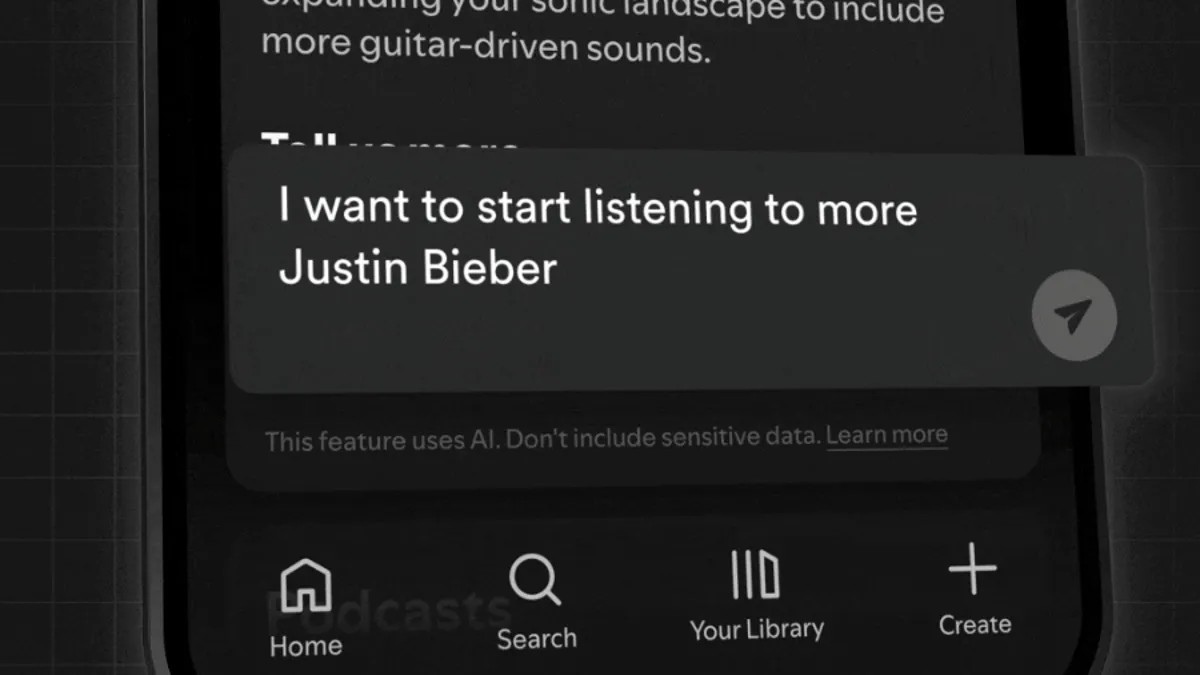
Spotify is introducing a new feature that allows users to directly influence the algorithms that determine their music recommendations. Co-CEO Gustav Söderström revealed the upcoming tool at South by Southwest, promising greater personalization through user-controlled “Taste Profiles.”
How Spotify’s AI Currently Works
Currently, Spotify’s music suggestions—found in playlists like Discover Weekly and Daily Mixes—are generated by an in-app AI. This AI analyzes user behavior: skips, replays, saves, and listening history to build an understanding of individual preferences. This system has been effective, but not always accurate. The new feature aims to bridge the gap between algorithmic prediction and actual listener desire.
The New Taste Profile Editor
The upcoming tool will let listeners dive into how Spotify perceives their musical tastes. Users can then manually adjust these parameters. This means you can explicitly tell Spotify to prioritize certain artists, genres, or even moods. Want more Justin Bieber? The app will adapt. Sick of electronic music creeping into your mixes? You can remove it.
Beta Testing and Rollout
The feature is currently in beta and will first launch in New Zealand within weeks. The company intends to gather feedback before wider deployment. This phased rollout suggests Spotify is taking a cautious approach, ensuring the tool functions smoothly and meets user expectations.
Why This Matters
Spotify’s move reflects a larger trend in AI-driven services: transparency and user control. For years, algorithms have dictated our digital experiences, often without explanation. Giving users the ability to edit these preferences empowers them and builds trust.
By letting listeners shape their own recommendations, Spotify is not just improving personalization, but also acknowledging that algorithms are tools, not oracles.
The success of this feature will depend on whether users engage with it consistently. If people fail to fine-tune their profiles, the AI will likely revert to its default behavior. However, the potential for a more curated and satisfying listening experience is significant.