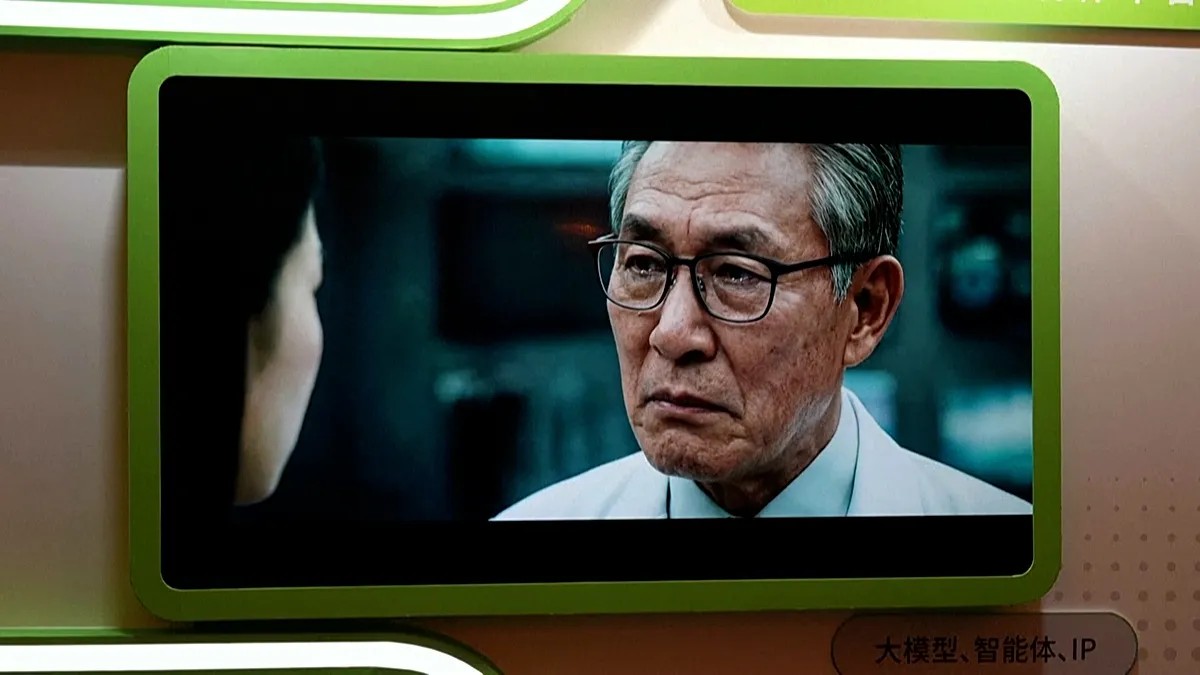
The Chinese streaming giant iQIYI has ignited a fierce debate within the entertainment industry following the launch of its new AI-driven “actor database.” While the platform frames the tool as a technological advancement, the move has drawn significant backlash from creators and industry professionals concerned about the future of human artistry.
What is the iQIYI AI Actor Database?
The database is a sophisticated tool designed to catalog and utilize data related to actors. By leveraging artificial intelligence, the platform aims to streamline how talent is identified, managed, and potentially utilized in digital content creation.
While the specific technical mechanics of the database are still being parsed by industry experts, the core of the controversy lies in how this data will be used—specifically regarding the digital replication of human performers.
Why This Matters: The Ethical Crossroads
The backlash against iQIYI is not merely about a new piece of software; it represents a fundamental tension currently reshaping the global media landscape. This development highlights several critical trends:
- Digital Twins and Likeness Rights: The ability to create highly accurate AI models of actors raises urgent questions about intellectual property. If a platform can use an actor’s likeness, voice, or mannerisms via an AI database, who owns that digital persona?
- Labor Displacement: There is a growing fear among performers that AI databases could be used to replace human actors in secondary roles, background work, or even lead performances through “digital resurrection” or synthetic generation.
- Consent and Compensation: The industry is grappling with how to ensure that artists are fairly compensated when their data is used to train models that may eventually compete with their own livelihood.
A Growing Global Trend
This incident in China is not an isolated event. It follows a broader global pattern of friction between tech-driven efficiency and creative labor rights, most notably seen in recent Hollywood strikes. As AI tools become more integrated into production pipelines, the boundary between human creativity and algorithmic generation continues to blur.
The reaction to iQIYI suggests that as platforms move from using AI as a tool for editing to using it as a tool for creating talent, the demand for strict regulatory frameworks and clear ethical guidelines will only intensify.
The launch of the iQIYI actor database serves as a flashpoint for the ongoing struggle to balance technological innovation with the protection of human creative rights in the digital age.