The Middle East is witnessing a rapid acceleration in artificial intelligence integration, moving beyond mere adoption toward the establishment of national frameworks. Recent developments across Egypt, Morocco, and the United Arab Emirates (UAE) highlight a regional trend: the shift from being consumers of AI technology to becoming architects of their own digital ecosystems.
Egypt: Building a Human Capital Pipeline
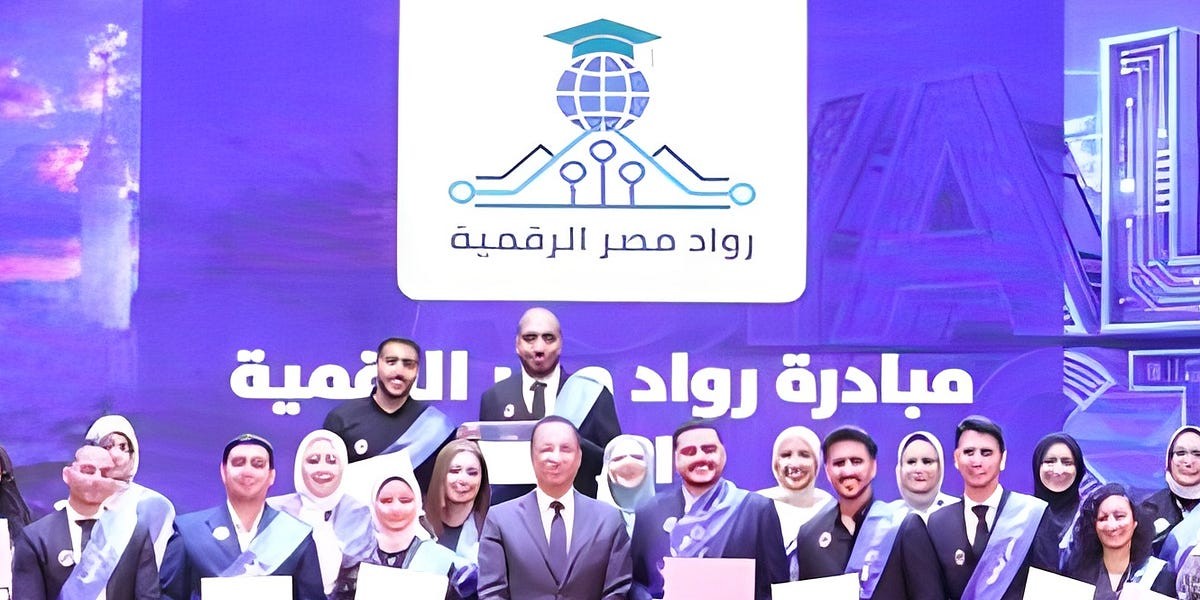
Egypt is focusing on the foundational element of any technological revolution: skills. According to reports from the Egyptian Gazette, the nation is scaling its national AI skills development pipeline.
This initiative is critical because hardware and software are only as effective as the workforce capable of managing them. By prioritizing specialized training, Egypt aims to create a sustainable talent pool that can support both local industries and the growing global demand for AI expertise. This move positions Egypt to transition from a traditional labor market to a high-tech service economy.
Morocco: Establishing Digital Sovereignty
In a parallel move toward technological independence, Morocco has launched a sovereign AI infrastructure platform, as reported by Yabiladi.
The concept of “sovereign AI” is becoming increasingly vital for nations worldwide. It refers to a country’s ability to process data and run AI models on its own terms, using its own infrastructure, rather than relying entirely on foreign cloud providers. For Morocco, this provides several strategic advantages:
– Data Security: Keeping sensitive national data within domestic borders.
– Economic Autonomy: Reducing dependence on external tech giants.
– Customization: Developing AI models that are culturally and linguistically tailored to the Moroccan context.
UAE: Empowering the Small Business Sector
While Egypt focuses on people and Morocco on infrastructure, the United Arab Emirates is targeting economic accessibility. A new framework has been introduced to target AI readiness specifically for Small and Medium Enterprises (SMEs), according to Arageek.
Historically, the high cost of implementing AI has created a barrier to entry, leaving smaller companies at a disadvantage compared to large corporations. The UAE’s approach seeks to democratize these tools, ensuring that the productivity gains offered by AI are distributed across the entire economy, rather than being concentrated in a few massive entities.
Summary
The Middle East is executing a multi-pronged strategy to dominate the regional AI landscape: Egypt is cultivating the talent, Morocco is securing the infrastructure, and the UAE is ensuring economic inclusivity. Together, these efforts represent a coordinated push toward long-term digital autonomy and economic modernization.