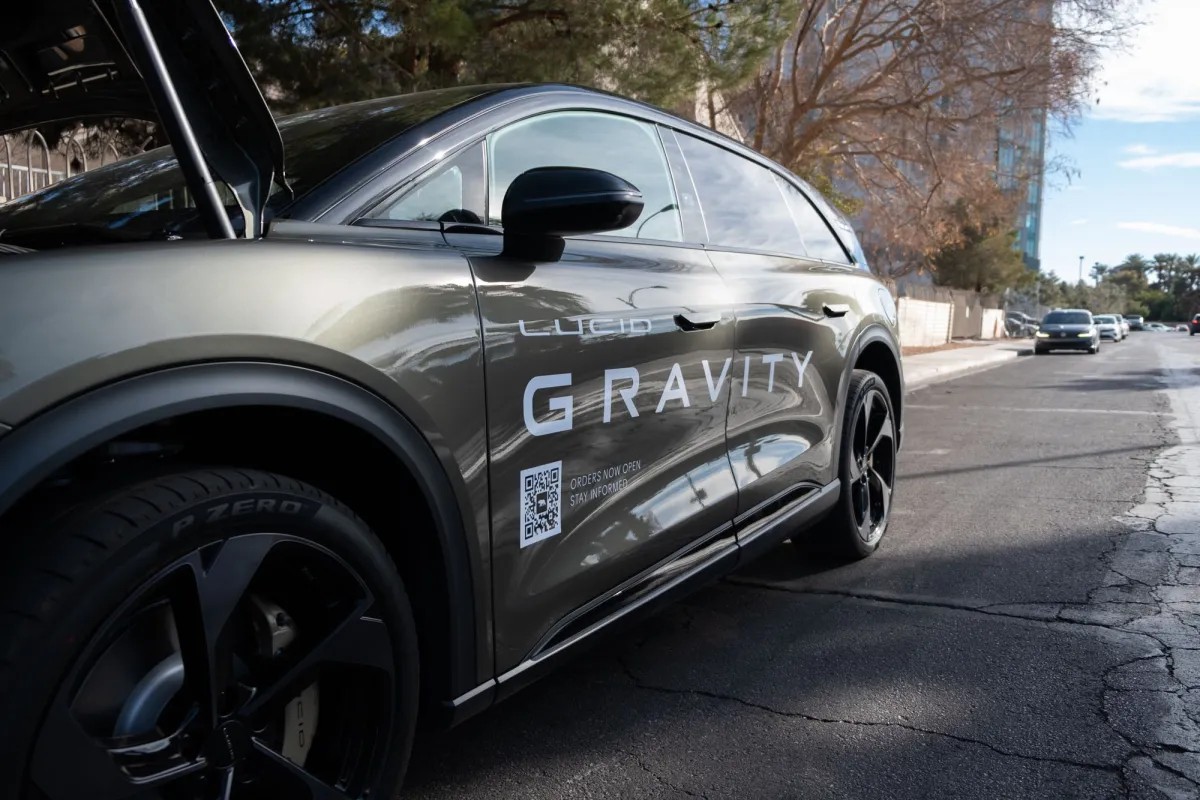
Lucid Group, an electric vehicle (EV) manufacturer, experienced a significant 42% decline in sales during the first quarter of 2026, selling 3,093 vehicles compared to previous quarters. Despite increasing production to approximately 5,500 vehicles, the company attributes the shortfall not to waning demand, but to a critical quality control issue with its seat supplier.
Production vs. Sales Discrepancy
The gap between vehicle production and actual sales figures highlights a disruption in Lucid’s delivery pipeline. The primary cause was a 29-day halt in Gravity SUV deliveries due to improperly welded seat belt anchors discovered in the second-row seats. This led to a voluntary recall of over 4,000 Gravity SUVs to ensure passenger safety.
Supplier Accountability and Quality Control
Lucid spokesperson Nick Twork confirmed that an unapproved change made by the supplier triggered the production stop in February. This incident underscores the critical dependency of EV manufacturers on their supply chains and the potential for even minor quality lapses to disrupt operations. Despite the setback, Lucid maintains that the issue has been resolved, and production goals remain unchanged.
Future Outlook and Market Competition
Lucid has reaffirmed its 2026 production guidance of 25,000–27,000 vehicles, representing a potential increase of up to 47% from the 18,378 EVs built in 2025. The company is also preparing to launch a new, more affordable vehicle platform targeting the mass market with a price point around $50,000. This move will position Lucid in direct competition with established players like Tesla and Rivian, intensifying the EV market landscape.
Lucid’s recent supply chain issues underscore the importance of rigorous quality control and reliable supplier partnerships for EV manufacturers aiming to scale production and maintain market share. Despite short-term disruptions, the company remains focused on its long-term growth strategy, including expanding into more accessible vehicle segments.