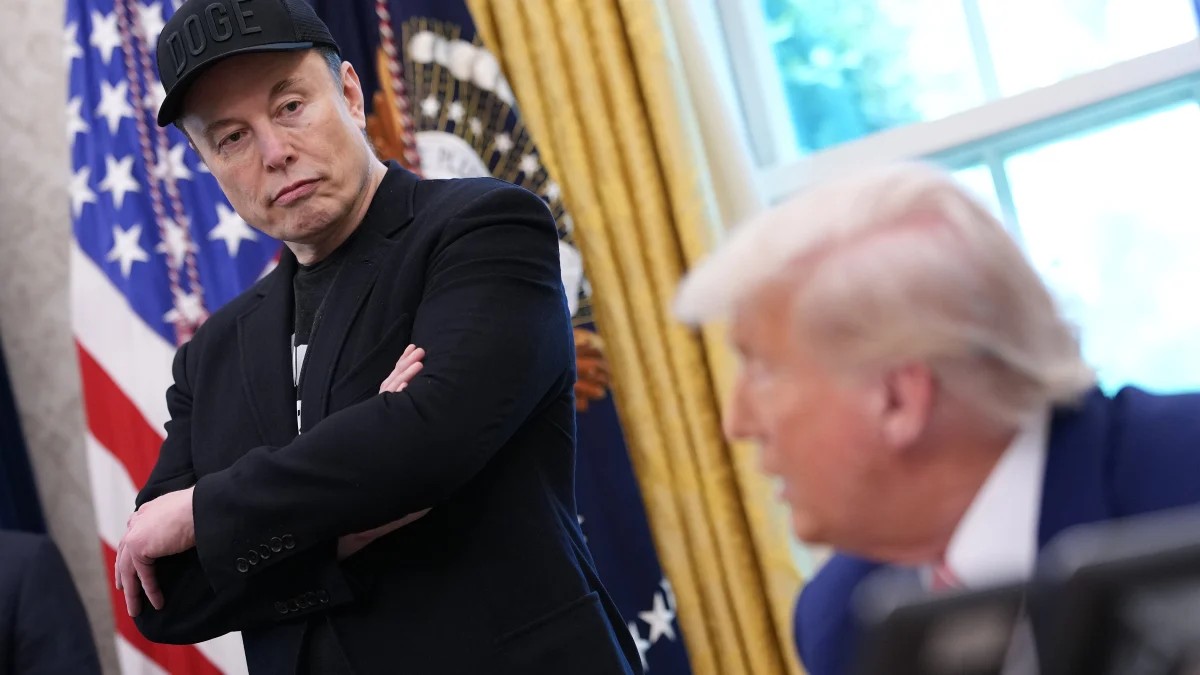
A federal judge has rejected the U.S. government’s attempt to dismiss a lawsuit alleging that Elon Musk illegally wielded executive power while heading the DOGE agency. The case will now proceed, potentially opening the door to reversing actions taken under Musk’s leadership.
The Core of the Legal Challenge
The lawsuit, filed by non-profit organizations and later joined by 14 state attorneys general, argues that Musk acted beyond his authority by cutting federal grants, firing employees, and shuttering agencies despite lacking Senate confirmation for any official position. This centers around the “Appointments Clause” of the Constitution, which dictates how principal officers of the executive branch must be appointed.
The plaintiffs contend that Musk functioned as a de facto Cabinet official without going through the proper constitutional process. Judge Tanya Chutkan agreed that Musk’s role was far more than that of a mere advisor.
“The head of DOGE… makes decisions and issues directives on matters as weighty as the termination of federal grants, contracts, and workers.”
Musk’s Own Words as Evidence
The lawsuit leverages Musk’s own social media posts on X (formerly Twitter) as key evidence. Statements such as “USAID is a criminal organization. Time for it to die” and questioning the existence of the Department of Education are cited to demonstrate that Musk was unilaterally making decisions with significant consequences.
DOGE officials themselves publicly boasted about terminating contracts and closing agencies, further supporting the claim that Musk acted unlawfully.
What’s at Stake?
If the plaintiffs prevail, the court could invalidate policies enacted under Musk’s direction, potentially restoring funding to programs he cut and reversing agency closures. This would have far-reaching implications, as it could set a precedent for how unelected officials exercise power within the federal government.
The Government’s Failed Dismissal
The government argued that the case should be dismissed because Musk’s position was unlawfully created regardless. Judge Chutkan rejected this reasoning, stating that the argument implies anyone in an unlawfully established role with immense power is exempt from constitutional requirements.
While the judge dismissed two additional claims related to administrative procedure and separation of powers violations, the central challenge to Musk’s authority remains active.
A Shifting Political Landscape
Elon Musk stepped down from DOGE in May 2025, followed by a public dispute with President Trump, but the two have reportedly reconciled. Despite this, the lawsuit continues, underscoring the legal scrutiny facing Musk’s actions during his time at the agency.
The case is now moving forward, with the potential to reshape how federal agencies are led and how much power unelected officials can wield.