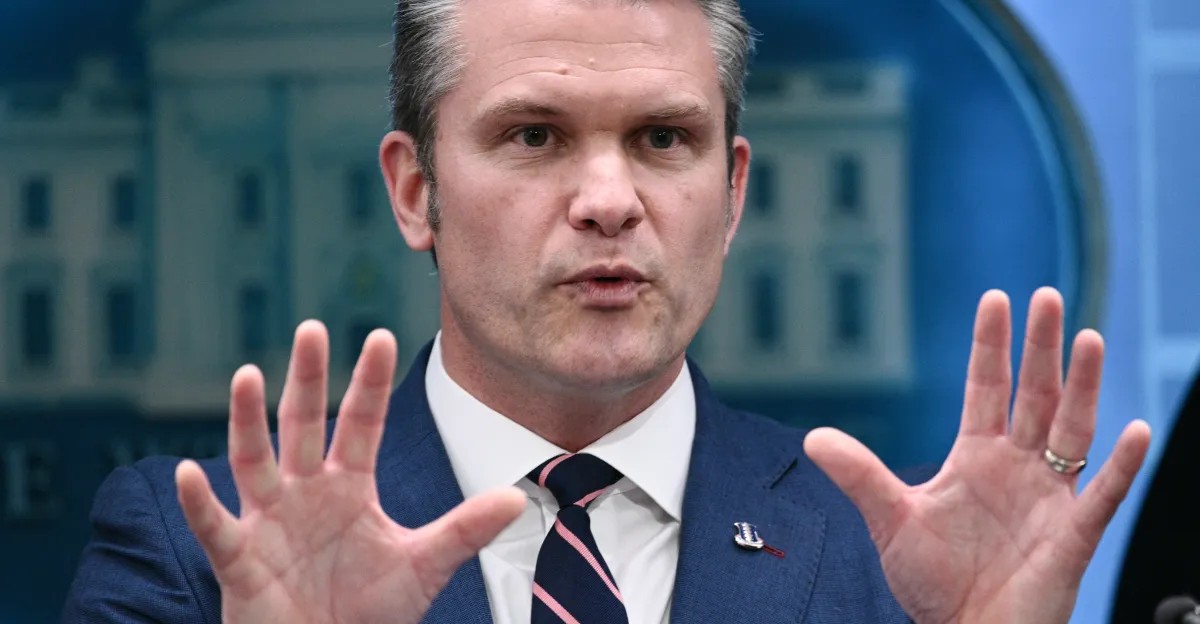
The current American military approach toward Iran is defined by a singular, aggressive philosophy: “maximum lethality.” Championed by Defense Secretary Pete Hegseth, this doctrine prioritizes overwhelming force and the uninhibited application of military power to achieve rapid, decisive results.
While this strategy has yielded immediate tactical successes, it is raising profound questions about the long-term geopolitical consequences and the ultimate goals of U.S. foreign policy in the region.
The Architect of Aggression: Pete Hegseth’s Doctrine
Unlike other members of the Trump administration who have expressed caution or ambivalence regarding the conflict, Pete Hegseth has emerged as the most vocal proponent of military maximalism. While Vice President JD Vance has distanced himself from the war and Secretary of State Marco Rubio has maintained a more transactional stance, Hegseth has embraced a “warrior ethos” that aligns closely with President Trump’s rhetoric.
This approach is characterized by several key elements:
- Unleashed Force: Hegseth advocates for a “no holds barred” method of combat, aiming to deliver whatever the President demands through sheer destructive capability.
- Decapitation Strikes: Early in the conflict, massive bombing raids successfully targeted and killed Iran’s Supreme Leader, Ayatollah Ali Khamenei, along with several potential successors.
- Religious Framing: Hegseth has infused the military operation with a sense of “holy war,” frequently incorporating Christian prayer into technical military briefings and framing the Iranian regime in apocalyptic terms.
The Paradox of Lethality: Tactical Wins vs. Strategic Risks
The pursuit of “maximum lethality” creates a significant tension between immediate military achievements and broader political objectives. There is a growing concern that the very intensity of the American response may be undermining the administration’s long-term goals.
1. Undermining Regime Change
The administration’s stated aim has included triggering an internal Iranian uprising. However, the high death toll—including reports of a devastating strike on a school in southern Iran—may be backfiring. Instead of fostering revolution, such intense lethality can alienate the civilian population, making it harder for the public to support an anti-regime movement.
2. The Vacuum of Leadership
By killing not only the Supreme Leader but also much of the regime’s senior leadership, the U.S. risks creating a power vacuum or forcing the remaining regime members into a corner where they have nothing left to lose, potentially escalating the conflict further.
3. Diplomatic Isolation
The administration’s use of “brinksmanship”—including threats of massive destruction and even nuclear escalation—has reportedly alienated many traditional U.S. allies. This leaves the United States operating with less international support, even as Iran maintains control over critical maritime routes like the Strait of Hormuz.
A Question of Effectiveness
The recent, tentative ceasefire following President Trump’s aggressive rhetoric suggests that “maximum lethality” can be used as a tool of intimidation to maneuver out of difficult political traps. However, analysts question whether this constitutes a sustainable foreign policy.
The central question remains: Has the immense cost in human life and global stability yielded a meaningful strategic advantage? While the U.S. has demonstrated its ability to strike with devastating precision, the long-term stability of the Middle East and the achievement of clear American interests remain deeply uncertain.
The “maximum lethality” doctrine may win battles and eliminate key targets, but it risks creating a cycle of violence that complicates diplomatic solutions and destabilizes the very regions the U.S. seeks to influence.
Conclusion
The shift toward a “warrior-centric” military doctrine under Pete Hegseth has transformed the U.S. approach to Iran into one of unprecedented aggression. While this strategy achieves immediate tactical objectives, it creates significant strategic risks, including diplomatic isolation and the potential to undermine the very political shifts the administration hopes to see in Iran.