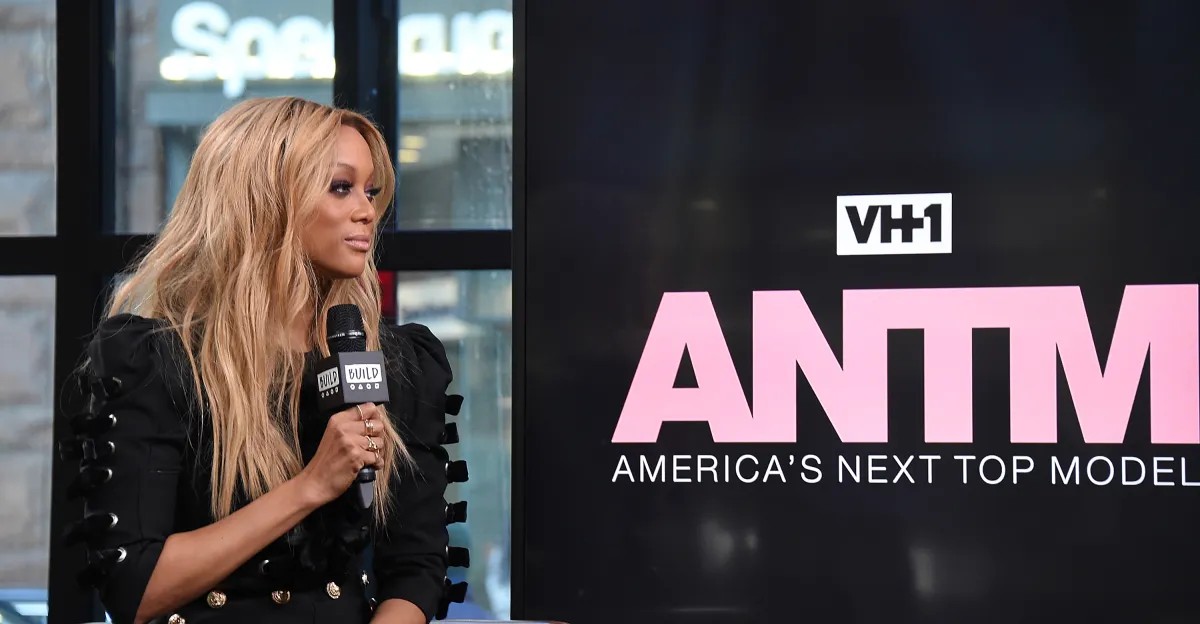
Two decades after its debut, the reality television phenomenon America’s Next Top Model is facing renewed scrutiny. A new documentary, Reality Check: Inside America’s Next Top Model, revisits the show’s most controversial moments, prompting its creator, Tyra Banks, and former contestants to confront the program’s legacy. The discussion raises a crucial question: how should we evaluate entertainment created in a different cultural moment, and what accountability should we expect from those who shaped it?
The Show’s Influence and Shifting Standards
America’s Next Top Model emerged in the early 2000s, a period when reality TV was solidifying its cultural dominance. The show, with its dramatic eliminations and often-exploitative challenges, became a blueprint for countless imitators. However, in a media landscape increasingly aware of ethical concerns and representation, many aspects of the show haven’t aged well.
The documentary’s examination of the series comes at a time when audiences are reevaluating past entertainment through a more critical lens. The question is not just whether the show was problematic by today’s standards, but how it contributed to harmful norms that persist even now. As culture writer Scaachi Koul explains, “We are in a phase where we’re rethinking all of those things… All of the things we watch, they are all guided by these reality shows from 2000 to 2010.”
The Dark Side of Competition: Shandi’s Story
One of the documentary’s most disturbing revelations centers on model Shandi, whose drunken hookup in Milan was sensationalized for the cameras. The show framed her actions as a betrayal, exploiting her shame for dramatic effect. Today, this scene is being re-examined through the lens of consent and exploitation.
Koul points out that Shandi, now an adult, can retrospectively recognize the situation as non-consensual. The documentary highlights how systemic issues allowed this kind of behavior to pass unchecked. The show required multiple people to approve the storyline, exposing a broader failure of responsibility.
The Pressure to Conform: Dani’s Gap Tooth
Another key issue explored in the documentary is the pressure placed on young women to conform to unrealistic beauty standards. Model Dani was pressured to close the gap in her front teeth, reflecting the industry’s relentless pursuit of perfection. Tyra Banks acknowledged this practice, stating that certain physical traits were simply incompatible with high-fashion campaigns.
This dynamic underscores a fundamental tension: the show simultaneously exposed the industry’s harsh realities while actively perpetuating them. Banks herself admits, “I believed her and I still believe her when she would say, you need to lose weight because you’re not going to get a cover girl campaign if you’re bigger.” The point of the show, Koul argues, was “the tension between who you were and who you are supposed to become.”
Accountability and the Illusion of Progress
The documentary ultimately leaves a lingering question: who is accountable for the harm caused by the show? Many expect Tyra Banks to take responsibility, but Koul suggests that the blame lies with a constellation of individuals who enabled the exploitative environment. Banks herself appears unrepentant, offering dismissive justifications like, “Well, that was the time.”
Koul concludes that little has actually improved since the show aired. Harmful behaviors still permeate society, from political leaders posting racist content to the continued pressure on women to conform to unrealistic standards. The documentary serves as a reminder that retrospectives are valuable not just for understanding the past, but for shifting the Overton window and creating a more ethical future.