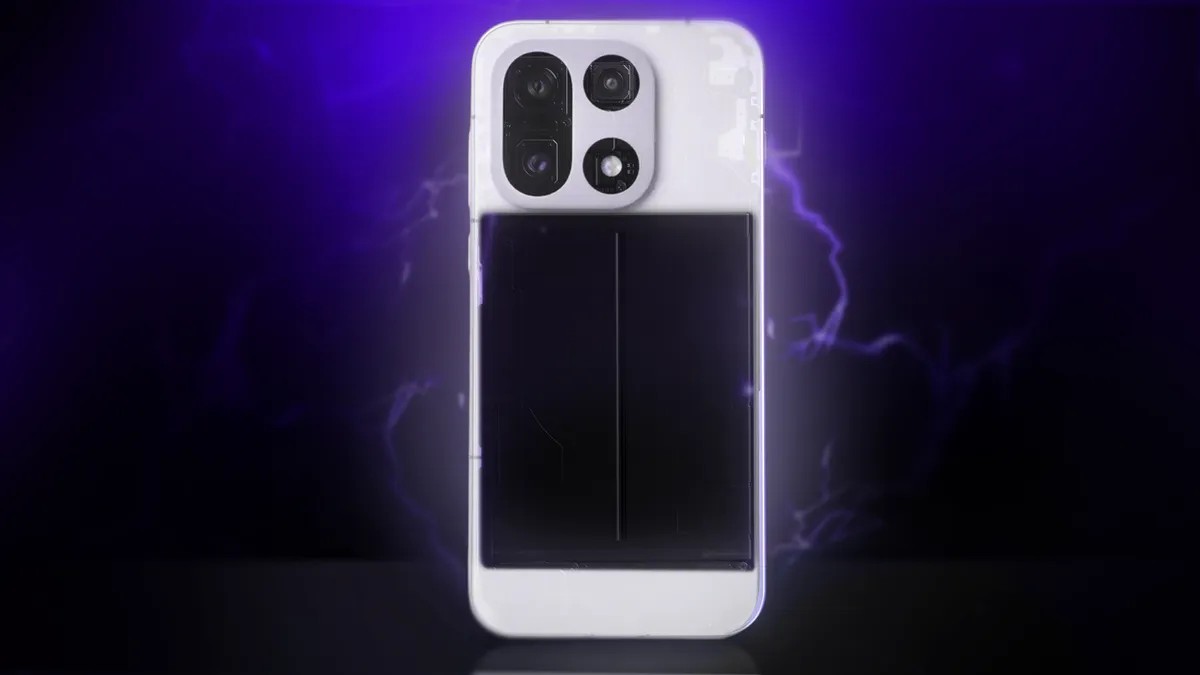
The relentless pursuit of longer battery life in smartphones has taken a significant leap forward with the launch of the OnePlus 15. This device isn’t just another incremental upgrade; it features a groundbreaking silicon-carbon battery that promises to reshape how we think about mobile power. The core innovation isn’t about simply making bigger batteries, but making better ones, and it matters because modern smartphones are increasingly power-hungry, thanks to demanding apps, high-resolution screens, and emerging AI features.
The Silicon Advantage: Beyond Bigger Batteries
For years, smartphone batteries have relied on graphite anodes. The OnePlus 15, alongside other recent models like the RedMagic 10 Pro and Oppo Find X9 Pro, shifts to a silicon-carbon anode. This isn’t just a material swap; it’s a fundamental shift in energy density. Silicon can store significantly more energy than graphite within the same physical space, meaning phones can pack larger capacity batteries without increasing size. The OnePlus 15 boasts a massive 7,300 mAh battery, dwarfing the 5,088 mAh found in the iPhone 17 Pro Max, and this capacity matters because consumers consistently rank battery life as a top priority when upgrading devices.
This isn’t a theoretical advantage. In real-world testing, the OnePlus 15 delivers solid improvements over its predecessors, easily lasting a day and a half with casual use. While it doesn’t double battery life, it offers a noticeable edge, tying with other top performers in endurance tests. The real breakthrough lies in the potential for further optimization, as silicon battery technology matures.
Faster Charging: A Complementary Benefit
The silicon-carbon chemistry also enables faster charging speeds. The OnePlus 15 supports 80W fast charging (100W for the US version, 120W globally), which can fully recharge the battery in under an hour. Some manufacturers, like Molicel, are even developing cells capable of fully charging in just 90 seconds. This isn’t just about convenience; it’s about reducing range anxiety and making it easier to keep up with demanding lifestyles.
The Challenge of Scaling Production
Despite the clear benefits, widespread adoption of silicon-carbon batteries faces hurdles. Specialized materials and precision engineering drive up costs, and current manufacturing capacity is limited. Group14, a leading manufacturer of silicon anodes, currently produces enough material for roughly 20 million phones annually, a fraction of the hundreds of millions produced by giants like Apple and Samsung. Scaling production is the key, and Group14 is already investing in new facilities to meet demand.
Beyond Smartphones: A Wider Impact
The implications extend far beyond mobile phones. Electric vehicles, energy storage systems, and wearables stand to benefit from this technology. Silicon batteries offer a pathway to lighter, longer-lasting devices across a wide range of applications. The ongoing advancements in battery chemistry could fundamentally change how we power our world.
The OnePlus 15 is more than just a phone; it’s a glimpse into the future of mobile power. As manufacturing scales and costs come down, silicon-carbon batteries are poised to become the standard, offering consumers longer runtimes, faster charging, and a more reliable experience.