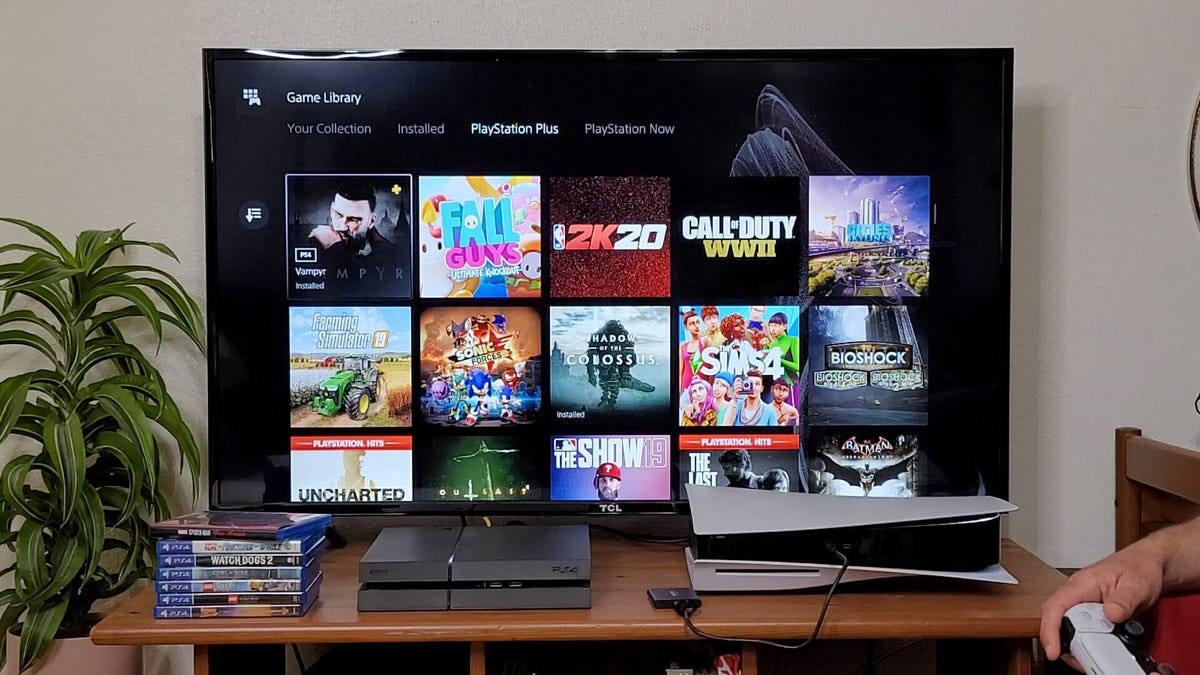
Recent firmware updates for the PlayStation 4 and PlayStation 5 have sparked significant debate among the gaming community. Reports suggest that Sony may be implementing stricter Digital Rights Management (DRM) protocols, potentially requiring users to connect to the internet every 30 days to maintain access to their digital game libraries.
The Discovery: A 30-Day Countdown
The issue first came to light via the YouTuber Modded Hardware, who observed a change in the PS4’s “Information” screen for digital titles. Unlike previous versions, the updated interface now displays a “Valid Period” —a 30-day counter that tracks how long it has been since the console last verified its licenses.
If the console fails to connect to Sony’s servers within this window, the digital games reportedly become unplayable until an online check-in is completed.
Testing the Theory: PS4 vs. PS5
While the evidence on the PS4 appears clear, the situation on the PlayStation 5 is more nuanced:
- PS4 Observations: The “Valid Period” counter is explicitly visible in the game information menus.
- PS5 Testing: YouTuber Jonathan Downey (Spawn Wave ) attempted to replicate the issue on the PS5 by removing the console’s CMOS battery (which resets the system time). Upon doing so, he found that previously purchased digital games would no longer launch, suggesting that a time-stamped license check is indeed active.
Why This Matters: DRM and Modding
The timing and nature of these updates have led to intense speculation within the console modding and homebrew communities. There are two primary ways to interpret these changes:
- Enhanced DRM: Sony may be tightening control over digital ownership to ensure that users are constantly “checking in” to validate their purchases.
- Anti-Modding Measures: A mandatory internet check-in is a common industry tactic used to combat hardware modification. By forcing a connection to Sony’s servers, the console can automatically download the latest firmware, which often includes patches that disable unofficial software or “jailbroken” features.
This shift represents a growing trend in the gaming industry: the transition from “ownership” to “licensing,” where even a single-player offline game requires a persistent digital handshake with the manufacturer.
Conflicting Responses from Sony
Sony has not issued an official statement regarding these changes. Meanwhile, users reaching out to PlayStation Support on social media have received inconsistent answers. Some support agents have categorized the behavior as a software bug, while others have suggested it is an intended feature.
However, because support agents often operate on standardized scripts rather than technical briefs, their conflicting reports leave the true intent of the update unconfirmed.
Conclusion
Whether this is a deliberate move to enforce stricter licensing or a technical glitch, the update signals a potential shift in how digital content is managed on PlayStation consoles. If confirmed as a feature, it could fundamentally change the experience for players who prefer offline gaming.