Engineers in China have unveiled a new sodium-sulphur battery design that offers a potentially safer and cheaper alternative to lithium-ion technology. This breakthrough addresses growing concerns about lithium’s safety risks, rising costs, and supply chain vulnerabilities.
The Lithium Problem
Lithium batteries power countless devices, from smartphones to electric vehicles. However, their reliance on lithium presents a significant challenge: lithium is prone to overheating, can catch fire under certain conditions, and its extraction from natural sources is both expensive and environmentally problematic. The demand for lithium is increasing rapidly, making these issues even more pressing.
Previous Sodium-Sulphur Attempts Failed
Sodium-sulphur batteries have long been considered a viable alternative, but previous iterations faced critical limitations. Earlier designs required large amounts of sodium metal, making them impractical for widespread use due to safety and cost concerns. They also struggled to initiate the necessary chemical reactions efficiently at room temperature. As researchers noted in a recent Nature study, “The use of substantial sodium metal…undermines safety and cost-effectiveness.”
The New Breakthrough
The Chinese research team has circumvented these hurdles by optimizing the chemical reaction within the battery. Their design employs a high-voltage, anode-free structure that functions reliably at room temperature. The new battery achieves a discharge voltage of 3.6 volts – a substantial improvement over the 1.6 volts seen in earlier models.
Cost and Safety Advantages
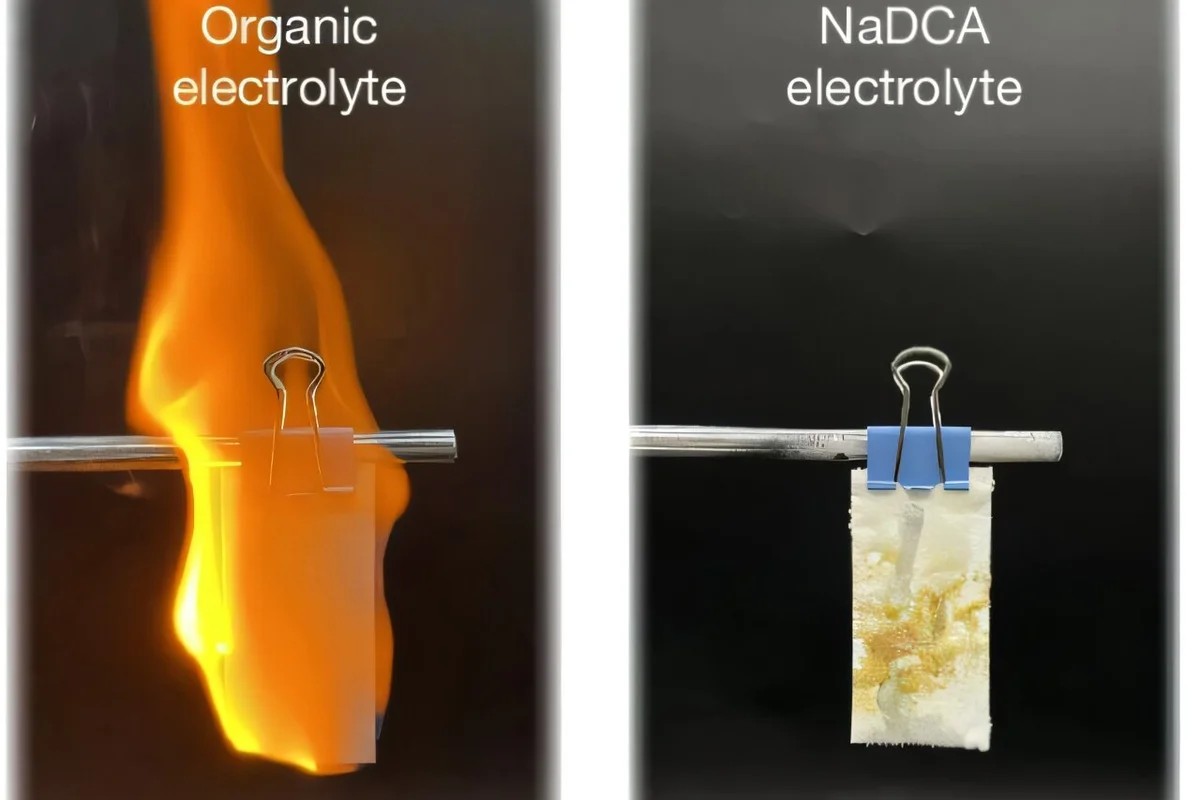
The new sodium-sulphur battery is claimed to be significantly cheaper to produce than current alternatives, with costs potentially 100 times lower than existing sodium batteries. Crucially, it uses a non-flammable electrolyte, unlike the volatile liquid electrolytes found in standard lithium batteries. This non-flammability addresses a major safety concern associated with lithium-ion technology.
Further Research Needed
The researchers emphasize that the long-term and large-scale safety of the battery’s chemical components still requires thorough evaluation. Despite this caveat, the design holds immense promise for addressing current supply chain issues and safety concerns in battery technology.
Potential Applications
The team believes their anode-free sodium-sulphur battery is well-suited for grid-scale energy storage and powering wearable electronics. The design’s combination of cost-effectiveness, safety, and performance could make it a disruptive force in the battery market.
Ultimately, this new battery technology offers a crucial step toward a more sustainable and safer future for energy storage. The key will be whether these lab results translate into stable, reliable performance at scale.