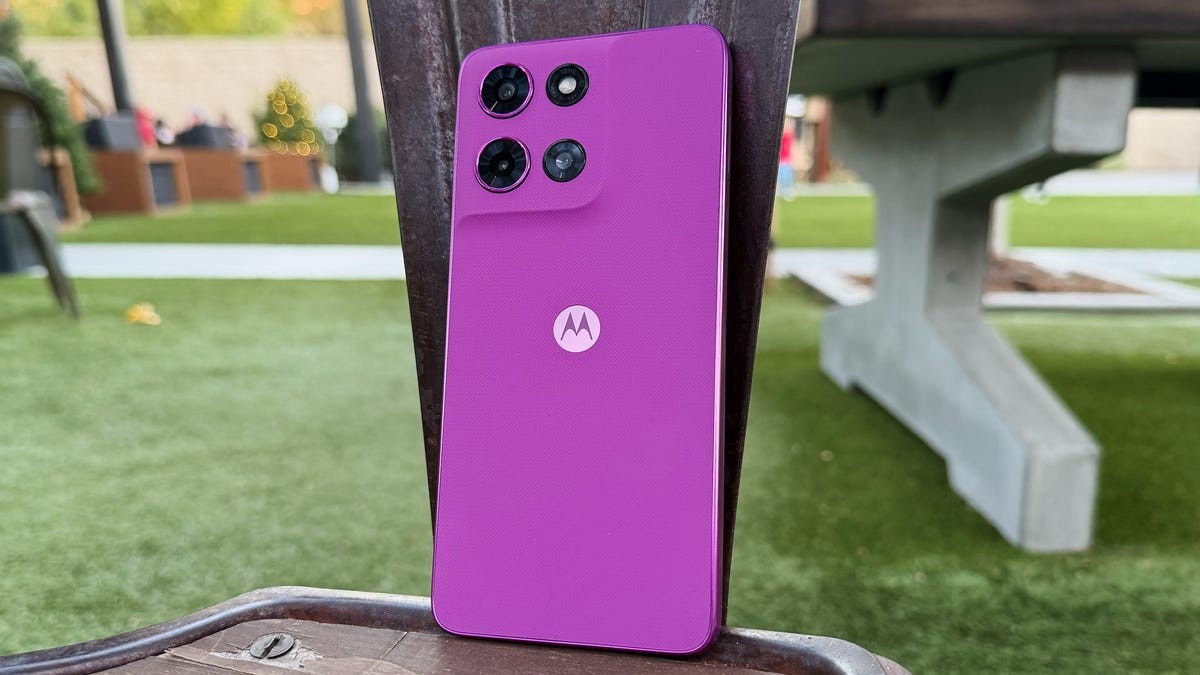
Motorola’s latest Moto G (2026) continues the brand’s tradition of delivering affordable smartphones without compromising entirely on style or usability. Priced at $200, this model doesn’t represent a major leap forward from its predecessor, the Moto G (2025), but it offers a refined experience for those seeking a reliable, presentable device without breaking the bank.
Design and Build Quality: A Refreshing Departure from Basic
The most immediately noticeable improvement in the Moto G (2026) is its design. Unlike many budget phones that feel flimsy, this model incorporates a textured rubber back paired with metallic sides. The result is a surprisingly premium feel that doesn’t scream “cheap.” The available fuchsia color option stands out, offering a bolder aesthetic than the standard black. This attention to detail is significant: affordable phones often lack this visual polish, making the Moto G (2026) a more appealing choice for consumers who care about aesthetics.
Camera Performance: Good Enough for Everyday Use
The Moto G (2026) features a simplified camera setup consisting primarily of a 50-megapixel main sensor, supplemented by a depth camera and an ambient light sensor. Despite the lack of an ultrawide lens, the camera delivers respectable daylight and low-light performance, capturing clear images with balanced colors. The 32-megapixel front-facing camera is a welcome upgrade, producing detailed selfies. While not groundbreaking, the camera is more than adequate for casual photography and social media sharing.
Software Support: A Reasonable Commitment
Motorola commits to two years of Android updates and three years of security patches for the Moto G (2026). This is shorter than competitors like Samsung (which offers six years of updates on some Galaxy A series models), but still provides a reasonable lifespan for a $200 phone. Users can expect to receive essential security updates for a few years, mitigating the risks associated with running outdated software.
Weaknesses: Display and Performance
Two key compromises hold the Moto G (2026) back. The 6.7-inch display has an HD Plus resolution (1,604×720 pixels), which is noticeably lower than many modern smartphones. This results in pixelated text and a less sharp visual experience, especially when gaming or reading. The phone is powered by a Dimensity 6300 chip with 4GB of RAM, leading to noticeable lag when scrolling through content. This performance bottleneck undermines the smooth 120Hz refresh rate of the screen, making the user experience less fluid.
Conclusion
The Motorola Moto G (2026) is a competent budget phone that strikes a balance between affordability and usability. Its stylish design, decent camera, and adequate software support make it a solid choice for consumers on a tight budget. While the display resolution and performance are weaknesses, the overall package is more polished than many competitors in the same price range.