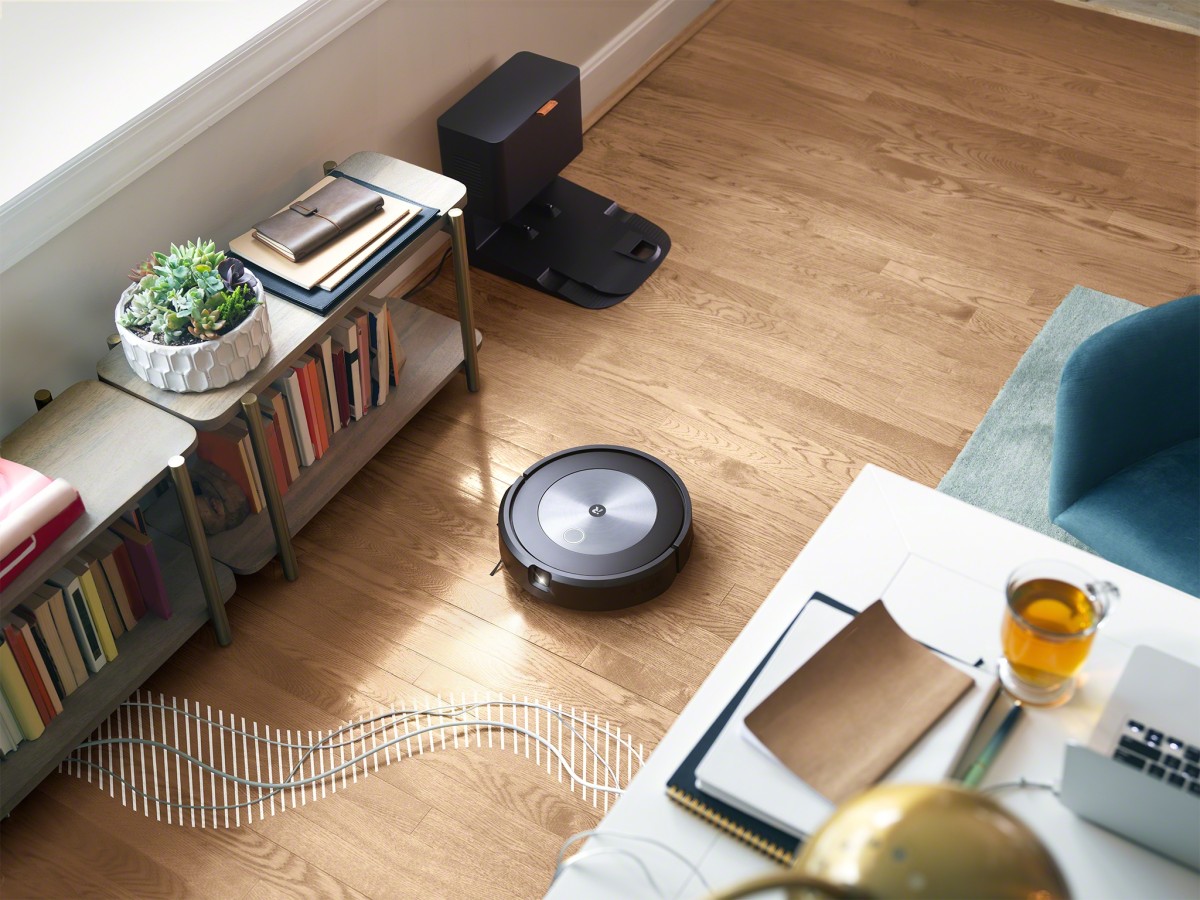
The recent bankruptcy of iRobot, the pioneering robotics company behind the Roomba, marks a turning point in the American tech landscape. Founder Colin Angle describes the downfall as “avoidable,” a direct result of what he calls overly aggressive regulatory opposition, specifically from the Federal Trade Commission (FTC) and European authorities. This isn’t just about one company failing; it’s a cautionary tale about how bureaucratic hurdles can stifle innovation and discourage entrepreneurial risk-taking.
The core of the issue lies in the FTC’s 18-month investigation into Amazon’s proposed $1.7 billion acquisition of iRobot. Angle contends that this prolonged scrutiny wasn’t about protecting consumers, but rather about regulators “celebrating” blocked mergers as trophies. The delay crippled iRobot’s operations, ultimately leading to its collapse, despite a market position that should have made the deal a straightforward approval.
The Regulatory Obstacle Course
The process was described as an endless drain of resources: “over 100,000 documents” created and submitted, with both iRobot and Amazon sinking vast sums into compliance. Angle suggests the FTC wasn’t interested in understanding the deal’s pro-competitive aspects – namely, that iRobot’s market share was declining with growing competition. Instead, the focus was on blocking the acquisition regardless of its potential benefits.
This raises a critical question: why are regulators seemingly more eager to shut down deals than to facilitate innovation? The prevailing mindset, according to Angle, wasn’t collaborative but adversarial, with the FTC treating the company as an enemy rather than a partner in progress. This chilling effect on entrepreneurship is real; founders now factor in the risk of regulatory interference when planning exits or even commercialization strategies.
From Mars Rovers to Roombas: A 35-Year Journey
iRobot’s history is more than just vacuum cleaners. The company’s roots lie in academic robotics, with early projects including Mars rovers and military robots deployed in combat zones. The Roomba, launched after 12 years of development, emerged almost by accident. A team member casually built a prototype, and Pepsi’s unexpected incorporation of the Roomba into a Dave Chappelle commercial catapulted sales.
This highlights a key lesson: sometimes success comes from unpredictable sources. iRobot thrived on unconventional marketing (like viral cat videos) and a willingness to experiment. Yet, even with a proven track record, the regulatory headwinds proved insurmountable.
The Future of Robotics: A New Venture, a New Approach
Angle has already launched a new company, operating in stealth mode. His focus has shifted towards robots that can interact with humans on an emotional level, targeting health and wellness applications. This venture represents a calculated response to the iRobot experience: he’s factoring in regulatory risk from the outset.
The lesson is clear: the path for robotics entrepreneurs is now steeper, more uncertain. The iRobot saga serves as a stark reminder that even groundbreaking companies can be undone by bureaucratic overreach. The future of innovation may depend on whether regulators choose to become facilitators or obstacles.