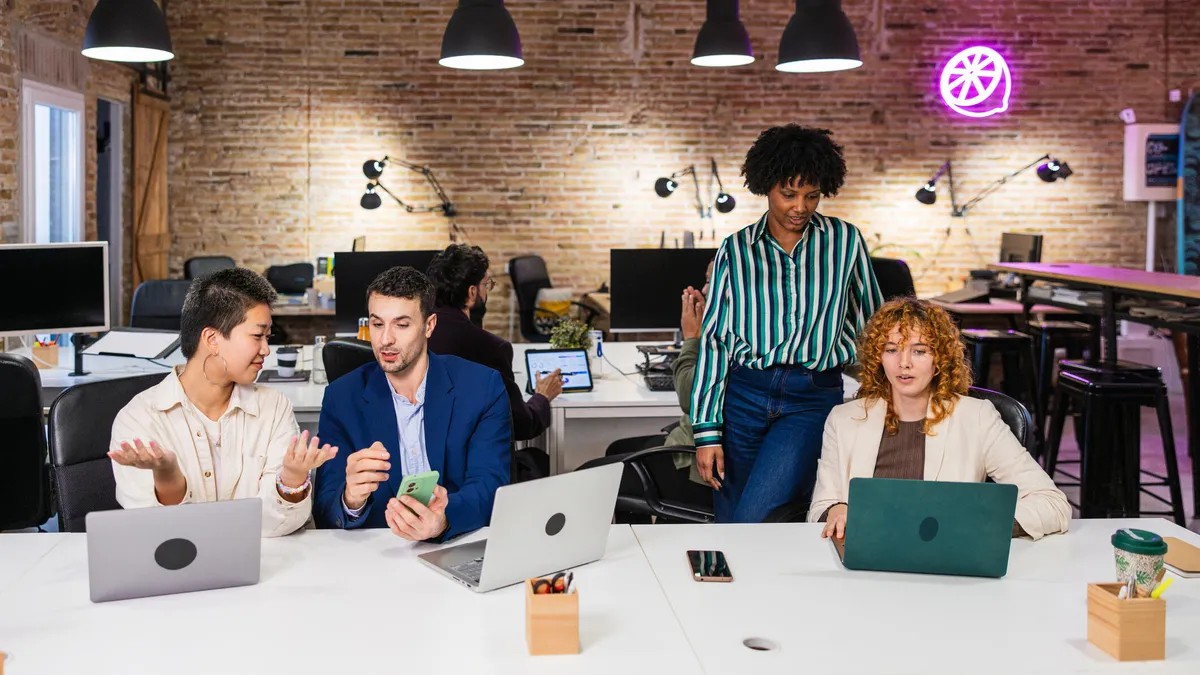
The modern workplace is often defined by a series of digital interruptions that trigger stress rather than productivity. For many employees, the ping of a Slack notification or a Teams message acts as a Pavlovian cue for anxiety—signaling an unreasonable demand, a redundant meeting, or a conflict with a colleague. These tools, originally designed to streamline communication, have instead become sources of friction.
However, a growing trend suggests that Artificial Intelligence (AI) can help reclaim these interactions. Rather than viewing AI solely as a productivity engine for data processing, workers are beginning to use it as a tool for emotional regulation and workplace customization. By leveraging AI to personalize communication, de-escalate tension, and optimize breaks, employees can shift the tone of their workday from stressful to manageable.
Personalizing Digital Communication
One of the most immediate ways to soften the sterile nature of corporate communication is through customization. Standard emojis like the thumbs-up can feel impersonal or dismissive. AI image generators, such as Google Gemini or ChatGPT with DALL-E, allow employees to create custom emotes that reflect their personality or shared cultural references with their team.
For instance, an employee might use AI to generate emojis based on favorite video games or specific inside jokes. These custom visuals can then be uploaded to platforms like Slack, Microsoft Teams, or Google Chat. This small act of personalization serves two purposes:
* It humanizes digital interactions, making them feel less robotic.
* It fosters team cohesion by creating shared visual language.
Key Insight: Small aesthetic changes in digital communication can significantly impact morale, turning a dry status update into a moment of connection.
Navigating Workplace Conflict with Humor
Interpersonal friction is inevitable in any office environment. Whether it’s a neighbor microwaving fish or a colleague missing a deadline, the instinct to respond with sharp criticism can escalate minor annoyances into lasting feuds. AI can serve as a neutral buffer in these situations, helping users craft responses that are professional yet disarming.
Instead of drafting a heated reply, workers can ask AI models like Claude or ChatGPT to generate light-hearted, cheesy one-liners or diplomatic phrasing. This approach achieves several goals:
1. De-escalation: Humor can break the tension in awkward moments.
2. Professionalism: It prevents the user from saying something regrettable in the heat of the moment.
3. Clarity: AI can help rephrase complaints into constructive feedback.
Different AI models offer different tones; for example, some may provide lengthy, specific jokes, while others offer punchy, universally applicable quips. The goal is not to mock colleagues, but to redirect complaints or neutralize gossip with wit rather than aggression.
Note: While using AI for workplace communication is becoming common, users should remain aware of broader industry contexts, such as ongoing legal discussions regarding copyright and data usage in AI training.
Optimizing Breaks for Genuine Recovery
A significant barrier to well-being is the failure to truly disconnect during breaks. Many employees spend their lunch hours answering emails or eating alone in their cars, leading to cumulative burnout. AI can assist in planning active recovery strategies tailored to available time slots.
By prompting an AI assistant with the duration of a break (e.g., 15 minutes, 30 minutes, or an hour), users can receive curated suggestions for local activities. These recommendations often include:
* Micro-breaks (15 mins): Stretching, journaling, or a quick walk.
* Short breaks (30 mins): Visiting a nearby coffee shop or reading.
* Longer breaks (1 hour+): Exploring a nearby town or enjoying a proper meal.
This structured approach encourages employees to step away from their desks and engage in restorative activities, ensuring they return to work refreshed rather than further depleted.
A Note of Caution
While AI offers innovative ways to enhance job satisfaction, it is crucial to remember its limitations. AI models do not understand office politics, have no career stakes, and lack human empathy. Their advice on behavioral norms or conflict resolution should be taken as suggestions, not rules.
Ultimately, the goal of using AI in this context is not to automate human interaction, but to augment human agency. By using these tools to personalize communication, manage stress, and prioritize well-being, employees can take control of their work environment. The technology remains a servant to the worker, helping to transform a potentially draining routine into a more joyful and sustainable experience.