Hollywood’s embrace of Artificial Intelligence is evolving beyond simple image or video generation. The next wave isn’t about replacing filmmakers, but empowering them with highly customized AI tools designed to streamline production, reduce costs, and maintain creative control. This shift is driven by a new breed of generative models—built not for generic output, but for specific project needs and copyright safety.
Netflix’s $600 Million Bet on AI
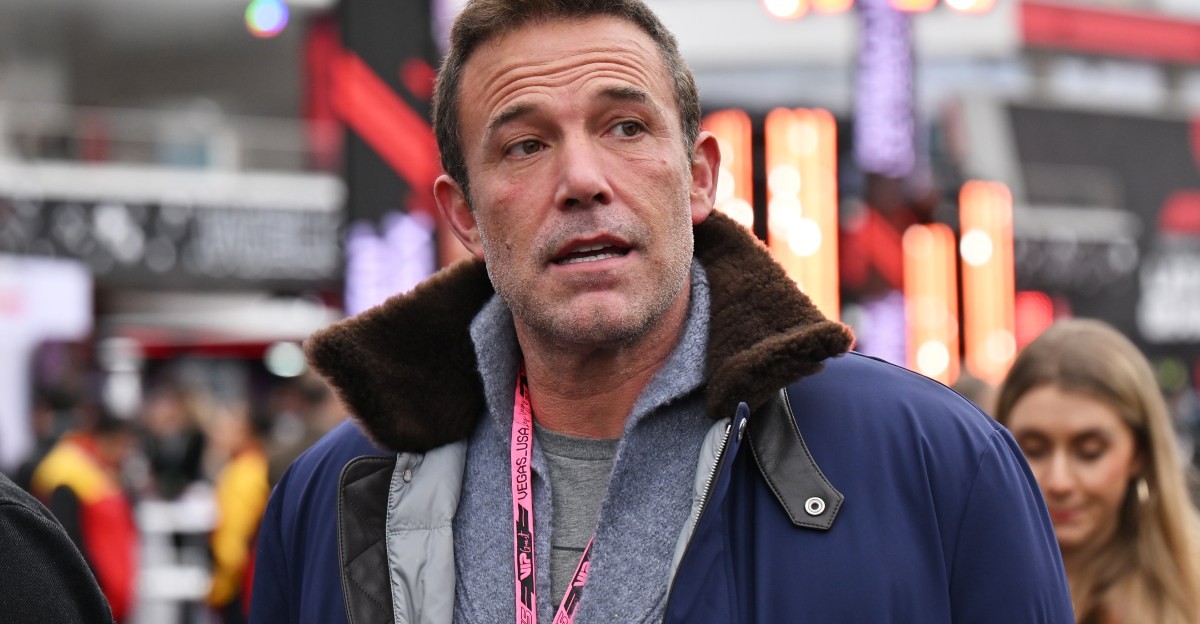
Last week, Netflix acquired InterPositive, an AI startup founded by Ben Affleck, in a deal reportedly worth up to $600 million. While Netflix has experimented with generative AI before, this acquisition signals a fundamental commitment to integrating the technology into its core business.
InterPositive’s approach centers on training AI models with “proprietary datasets” captured in controlled production environments, mirroring real-world filmmaking vocabulary and workflows. This isn’t about replacing directors; it’s about giving them tools to refine scenes: adjusting lighting, removing unwanted elements, or replacing backgrounds with unprecedented precision.
Affleck explains the focus is on “techniques—rather than performances,” creating tools that artists can control and benefit from.
The Rise of Project-Specific AI
The key innovation is customization. Filmmakers can train InterPositive’s models on their own in-progress footage (dailies), creating versions tailored to a specific project’s aesthetic and requirements. This eliminates the need for broad, unreliable AI outputs, instead providing tools that match a filmmaker’s vision.
However, this approach relies on robust datasets and consistent standards—a challenge given the subjective nature of filmmaking.
Asteria: AI for Artistic Consistency
InterPositive isn’t alone. Asteria, another AI-forward studio, is pursuing a similar model with a focus on generating consistent artistic elements. Its flagship product trains on licensed datasets, ensuring legal compliance while allowing filmmakers to create fully realized characters and backgrounds with a unified aesthetic.
Asteria’s “ethical” approach—using only licensed material—contrasts with the broader concerns about copyright infringement in AI-generated content. But both companies share a common goal: accelerating production timelines and reducing costs.
The Industry Shift
Adobe’s recent partnership with studios to develop “IP-safe” models further illustrates this industry trend. The question remains: how will human artists benefit? While studios stand to gain from increased efficiency and profits, the impact on creative workers remains uncertain.
The rhetoric of “empowerment” often lacks concrete details. Until these AI companies demonstrate how their tools will actually improve working conditions and compensation for artists, skepticism is warranted.
Ultimately, the future of filmmaking is shifting towards bespoke AI solutions, but the true beneficiaries of this change remain to be seen.