


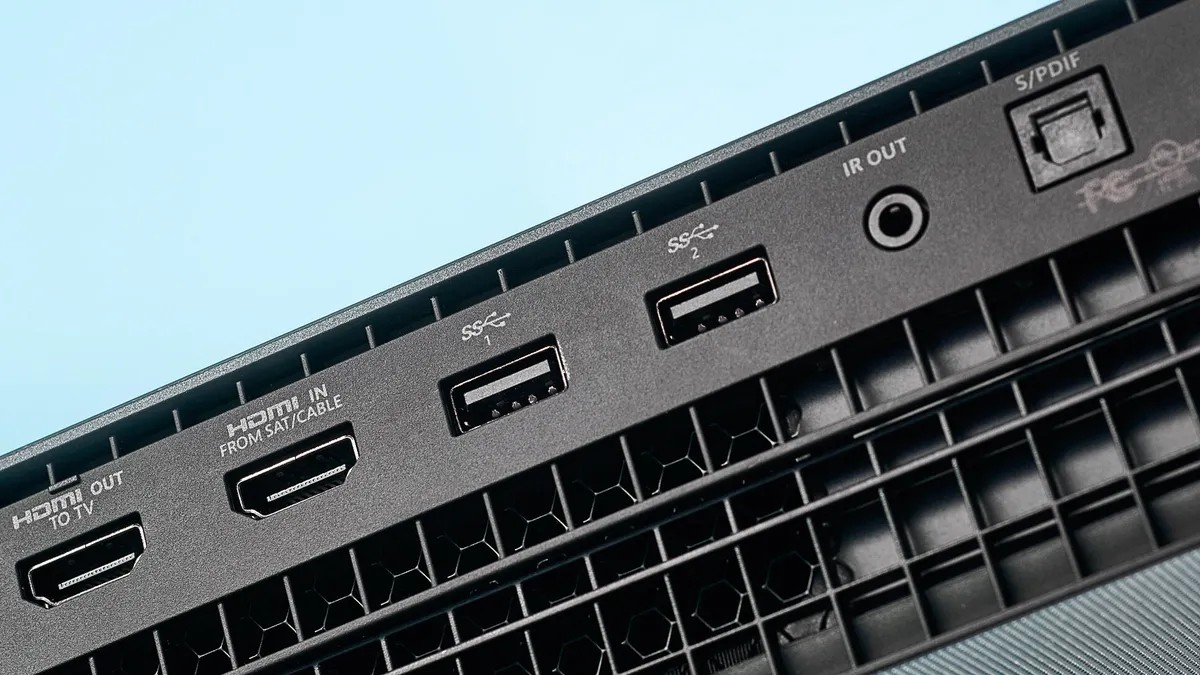
Connecting your TV to a soundbar or receiver typically involves either HDMI or optical cables. Both transmit digital audio, but HDMI offers superior capabilities, especially for advanced audio formats like Dolby Atmos. While optical cables still work effectively, understanding the differences can optimize your home theater experience.
The Basics: What Both Cables Do
Both HDMI and optical cables carry digital audio signals, representing a significant improvement over older analog connections (red and white RCA cables). They both support multichannel audio, including Dolby Digital, ensuring immersive sound experiences. Crucially, both options are inexpensive and easy to set up.
Why HDMI Often Wins
The primary advantage of HDMI lies in its ability to transmit higher-resolution audio, including Dolby Atmos, a format optical cables can’t handle. Beyond audio, HDMI also carries video signals, simplifying connections with a single cable using Audio Return Channel (ARC) technology. This is especially useful for soundbars and receivers that integrate seamlessly with modern TVs.
For those unfamiliar, Dolby Atmos adds a “height” dimension to surround sound, making it more immersive.
When Optical Still Works Fine
If you have older equipment or limited HDMI ports, optical cables remain a viable solution. Many older receivers lack HDMI inputs, and some users prefer a simple connection directly from the TV to a soundbar. In these scenarios, optical delivers perfectly acceptable audio quality for most setups.
However, some TVs don’t pass full digital surround sound through their optical outputs, potentially limiting the soundbar’s capabilities. If this occurs, connecting the soundbar directly to the source device (Roku, Apple TV, etc.) might yield better results.
Dolby Atmos and High-End Systems
The most compelling reason to choose HDMI is if you want to experience Dolby Atmos. While Atmos’ impact varies depending on your equipment, a quality home theater system with capable speakers will benefit from the added dimension.
If you’re setting up a new system, investing in HDMI cables is a small price for future-proofing. Even long-distance HDMI cables remain affordable, eliminating the need for optical if HDMI is an option.
The Bottom Line
HDMI is the preferred choice whenever possible : it’s cheap, simplifies setup with audio and video in one cable, and supports advanced audio formats like Dolby Atmos. If HDMI isn’t available, optical works just fine. For most users, the difference in audio quality will be minimal unless they have high-end gear designed to take advantage of advanced formats. Ultimately, choose the cable that fits your equipment and budget—both options are capable of delivering excellent sound.


