


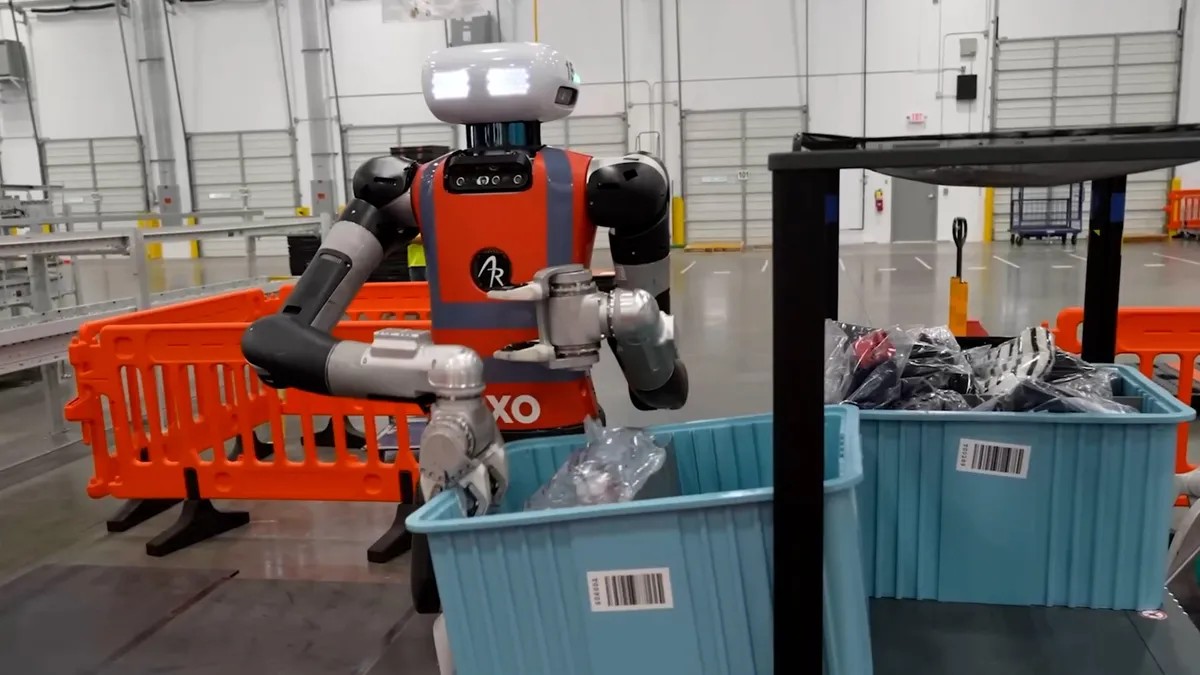
Humanoid robots are rapidly moving from labs and factories into more everyday settings, with major companies betting on their potential to reshape industries and even our homes. However, significant hurdles remain before these bipedal machines become truly integrated into society. The biggest concerns center on safety, privacy, affordability, and the potential impact on employment.
Safety First: Navigating Human Spaces
Current humanoid robots like Agility Robotics’ Digit are often kept separate from human workers due to safety concerns. While developers are working on improved human detection systems, the technology is not yet reliable enough for seamless integration. This is critical because accidents involving robotics can cause serious harm.
The challenge is even more acute in domestic environments, where robots must navigate unpredictable spaces with children, pets, and fragile objects. Ensuring these machines operate safely around people and property requires sophisticated AI and failsafe mechanisms.
Privacy Concerns: The Surveillance Question
Humanoid robots equipped with cameras and microphones introduce a new level of privacy risk. The combination of these features in a human-like form raises legitimate concerns about surveillance and data security. Devices connected to the internet are vulnerable, and a humanoid robot is essentially a mobile, networked sensor in your home or workplace.
Companies like 1X, which produces the Neo robot, acknowledge this issue. Their robots will initially require “teleoperation” by human experts, meaning an unknown person will remotely control the device within your space. While 1X offers options to restrict access and data sharing, the idea of a stranger operating a robot inside your home raises questions about trust.
The Affordability Gap
Currently, the high cost of humanoid robots limits their accessibility. The Neo robot, for example, sells for $20,000 upfront or $500 per month via leasing. This price point puts the technology out of reach for most consumers and small businesses, creating a significant barrier to widespread adoption.
Labor Market Disruption
The most persistent question surrounding humanoid robots is their impact on employment. While proponents argue these machines will take over undesirable jobs, the reality is more complex. If robots displace workers in sectors like warehousing, manufacturing, or even domestic services, those workers will need new opportunities.
The long-term consequences of automation are uncertain. If robots significantly reduce labor costs, businesses may choose to prioritize efficiency over human employment, leading to job losses in certain sectors.
The success of humanoid robots in 2026 and beyond hinges on addressing these critical concerns. Without clear solutions to safety, privacy, affordability, and labor displacement, the widespread adoption of these machines will remain limited.
Humanoid robots have the potential to revolutionize how we work and live, but only if developers and policymakers prioritize ethical considerations alongside technological advancements.


