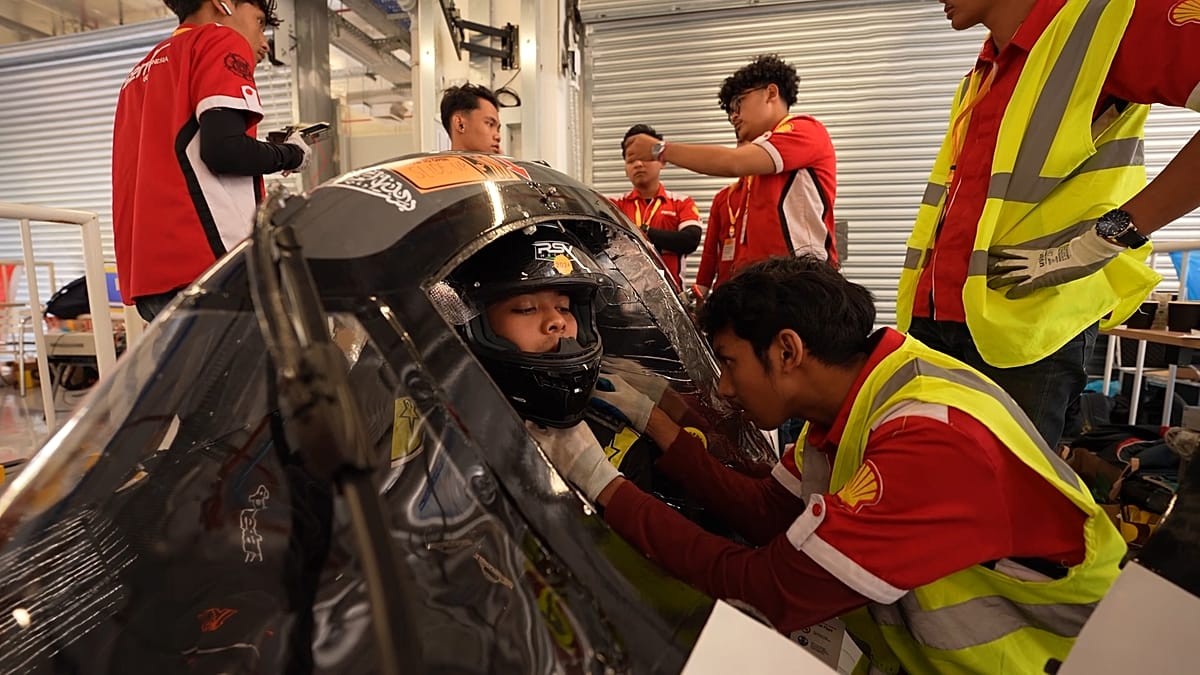
The 2026 Shell Eco-marathon recently concluded its second event in Qatar, drawing 78 university teams from across the globe to compete in cutting-edge fuel efficiency. The event, held at the Lusail International Circuit, pushes students to design and build vehicles optimized for extreme mileage, whether through radical prototypes or practical urban concepts.
The Challenge: Maximizing Distance
The core goal is simple: travel the farthest possible distance using the smallest amount of fuel or electricity. This isn’t just about theoretical designs; teams must prove their concepts on a real racetrack, subject to strict technical and safety inspections. The stakes have risen this year, with regional winners qualifying for the inaugural Global Championship in Qatar in 2027 – a chance to compete on the world stage.
Why This Matters: Engineering the Future
The Eco-marathon isn’t merely a race; it’s a crucible for future engineers. Shell, the event’s sponsor, sees it as a platform to cultivate skills in science, engineering, design, IT, and leadership. As Rob Maxwell, Shell’s Country Chair Qatar, noted, the event fosters energy, curiosity, creativity, and ingenuity in students.
This matters because the automotive industry is undergoing a massive shift toward sustainability. The real-world pressures to reduce emissions and improve efficiency aren’t just environmental; they’re economic and competitive. The Eco-marathon is where that future is being built, one meticulously engineered vehicle at a time.
Local Pride & Hands-On Learning
Qatar’s all-female team, Al-Adham, underscored the event’s broader impact. Driver Munira Khaled Al-Matawaa emphasized the team’s significance as the sole Qatari girls’ team in the competition.
Similar pride resonated with Nayaka Nugraha of Indonesia’s Team Weimana. The team, hailing from Bali, spent a year crafting carbon-fiber vehicles. He explained that the hands-on experience is invaluable: “This is way different from learning in the classroom…we actually get to do things by hand. We learn things in real time because we weld, we grind things.”
Safety and Regulation
Ensuring fair competition and driver safety is paramount. Melle de Wit, Shell Eco-marathon’s Global Technical Director, confirmed that vehicles undergo rigorous inspection to ensure accurate fuel consumption measurements and driver protection.
“We have lots of technical regulations so that we can ensure that we have a fair and accurate measurement of their consumption, and our inspection makes sure that the driver will stay safe.”
Next Steps
The competition now moves to the United States before returning to Qatar in 2027 for the Global Championship. The Eco-marathon serves as a proving ground for next-generation automotive technologies, and the lessons learned on the track will likely shape the industry for years to come.