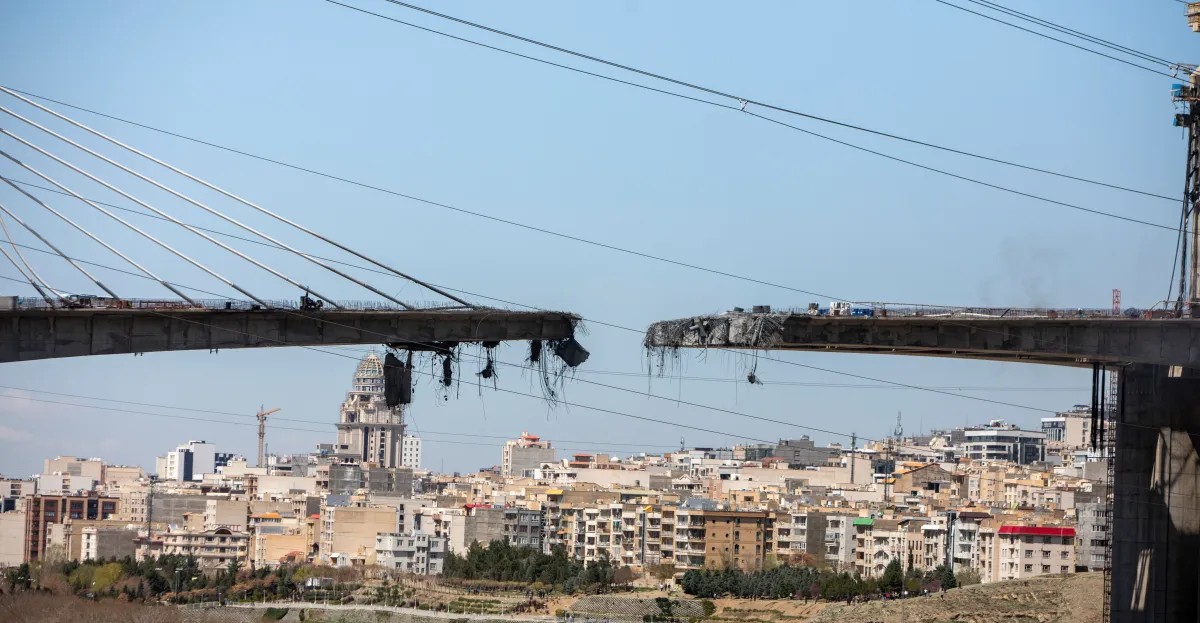
President Donald Trump has significantly escalated his rhetoric against Iran, moving from targeted military threats to warnings of widespread destruction of civilian infrastructure. By threatening to destroy power plants, desalination facilities, and bridges to force the opening of the Strait of Hormuz, the administration is facing intense scrutiny over whether these actions cross the line from legitimate warfare into war crimes.
The Shift in Strategy: From Military Targets to Civilian Infrastructure
Up to this point, U.S. military actions in Iran have largely adhered to established norms by focusing on “legitimate military aims.” These include degrading nuclear capabilities, missile programs, and naval assets. While certain incidents—such as the accidental strike on a Tehran school—have occurred, they have generally been categorized as negligence rather than intentional targeting of civilians.
However, recent statements from the White House suggest a fundamental shift in policy:
- The Ultimatum: Trump has demanded that Iran “open the fuckin’ strait” by a specific deadline or face the destruction of its national infrastructure.
- Mass Destruction: Unlike previous surgical strikes, the President has threatened to destroy every bridge and every power plant in the country.
- Dehumanizing Rhetoric: By labeling Iranian leaders as “animals” and threatening to send the nation “back to the Stone Ages,” the administration is utilizing language that legal experts warn can be used to justify the abandonment of international law.
The Legal Line: When Does a Strike Become a War Crime?
Under international law and U.S. military regulations, a target is only considered legal if it meets two specific criteria:
1. It must make an effective contribution to military action.
2. Its destruction must offer a definite military advantage.
Legal experts, including former State Department adviser Brian Finucane, argue that Trump’s current threats fail this test. While a single bridge used for transporting missiles might be a valid target, the threat to destroy an entire nation’s power grid to achieve political concessions is viewed as political coercion rather than a military necessity.
“The targeting is not being driven by considerations of military advantage, but to politically coerce the opposing party and inflicting pain, things which would not be legitimate aims.” — Brian Finucane, former State Department legal adviser
The Risk of “Collective Punishment”
There is a critical distinction between targeting a regime and targeting a population. While the administration initially claimed to distinguish between the Iranian government and its people, the recent threats suggest a move toward collective punishment. Targeting desalination plants (which provide water) and power grids (which provide heat and light) directly impacts the survival of the civilian population, a move that is strictly prohibited under the laws of armed conflict.
Strategic Uncertainty and Global Precedent
This escalation raises profound questions about the future of international stability and the role of the United States as a global leader.
- The Enforcement Gap: While both the U.S. and Iran do not recognize the authority of the International Criminal Court, war crimes fall under “universal jurisdiction,” meaning legal repercussions could theoretically arise in other international venues.
- The Deterrence Paradox: Iran’s primary leverage in this conflict is its control over the Strait of Hormuz. Experts suggest that a regime willing to suppress its own citizens with lethal force is unlikely to surrender simply because its civilian population is deprived of basic utilities.
- Erosion of Norms: If the United States—the primary architect of modern rules of warfare—begins to openly flout these rules to achieve political ends, it sets a precedent that other nations will likely follow, potentially leading to a more chaotic and lawless global landscape.
Conclusion
The transition from surgical military strikes to threats against a nation’s civilian life marks a dangerous escalation in the conflict with Iran. If carried out, these actions would move the U.S. beyond the bounds of traditional warfare and into the realm of potential war crimes, fundamentally altering the international legal order.