


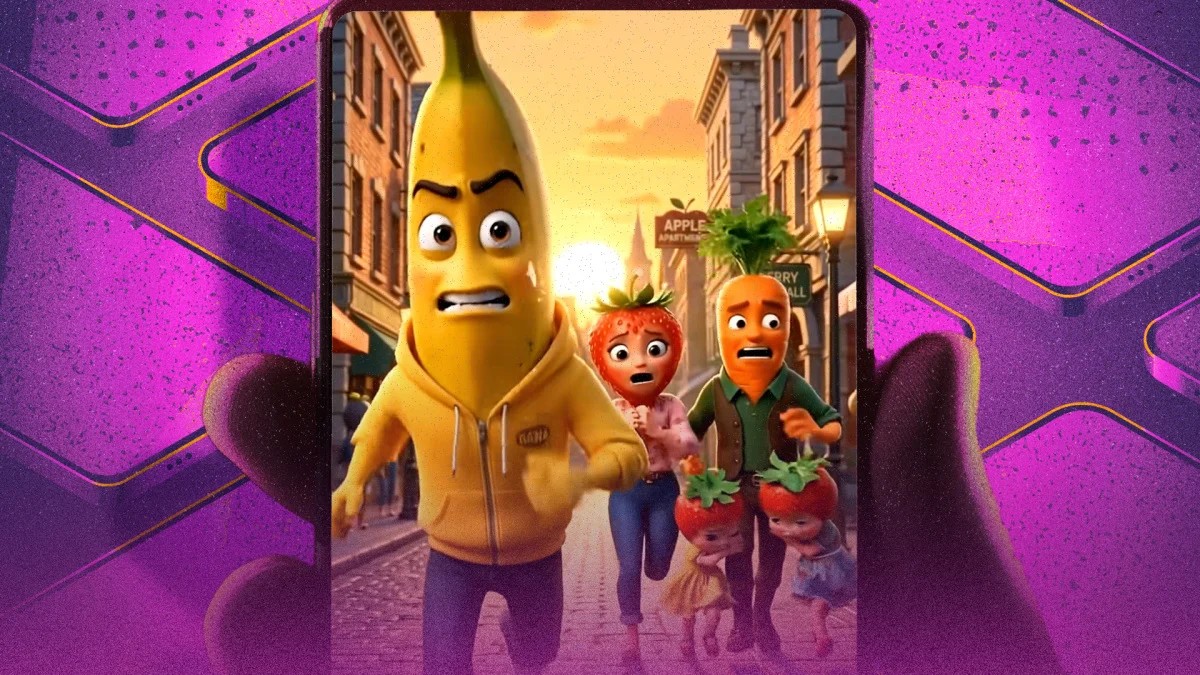
A bizarre new trend is dominating the internet: AI-generated reality TV starring anthropomorphic fruit. Series like “Fruit Love Island” are racking up tens of millions of views, raising questions about why this strangely compelling content is so popular. The phenomenon isn’t just a fleeting meme; it represents a growing appetite for low-effort, algorithmically-driven entertainment.
The Genesis of Fruit Slop
The trend originated with custom GPT models like “Object Talk,” built within ChatGPT by AI Century. These tools generate scripts fed into AI video generators, creating a streamlined pipeline for churning out absurd, often scandalous content. Initially, AI fruit videos began as harmless educational material before rapidly devolving into soap opera-like dramas involving infidelity, surprise pregnancies, and even domestic violence.
One particularly disturbing example involves a Strawberry cheating on her partner with an Eggplant, resulting in an Eggplant baby. The explicit racial coding isn’t accidental, and the content frequently mirrors the worst tropes of daytime television. The appeal appears to lie in the shock value and the sheer absurdity of it all.
Echoes of Elsagate
This rapid proliferation of unsettling AI-generated content recalls the “Elsagate” scandal from years past on YouTube. Back then, algorithmically-optimized channels flooded YouTube Kids with disturbing, violent, and sexual content featuring children’s characters – designed to slip past filters and autoplay into unsuspecting children’s feeds. While not identical, the current fruit slop phenomenon shares a similar disregard for boundaries and a reliance on exploiting algorithmic loopholes.
Coherence Through Copying
Despite the low-effort production, some series like “Fruit Love Island” attempt a degree of coherence by directly lifting plotlines and dialogue from established reality TV shows. The show recreated a viral moment from “Love Island USA” nearly verbatim, with AI-generated fruit characters repeating the lines. The Watermelon character even adopts a caricature of Black speech patterns, adding another layer of problematic absurdity.
Why Are People Watching?
The reasons behind this trend are multifaceted. As content creator Caroline Deery explained to The New York Times, the videos provide a momentary distraction from the overwhelming negativity of the real world. It’s an escape into a realm where strawberries have affairs and watermelons use slang.
The Wall Street Journal reports that the fandom has expanded beyond simple viewership, spawning spinoffs, recap accounts, and fan communities. Venture capital firms like Andreessen Horowitz are paying attention, recognizing this as a potential inflection point for AI entertainment investment.
The Bot Factor
Some argue that a significant portion of the viewership is artificial. Many views may come from short-form swipes counted as full watches after just three seconds, or from bots engaging with bot-generated content in an endless loop. Reddit communities range from mockery (“because some people are morons”) to cynical acceptance.
The TikTok Ban and Reinstatement
TikTok briefly deleted the account of Ai Cinema, the driving force behind the trend, citing unclear reasons that likely included bot followers and copyright violations. However, the account was quickly reinstated, ensuring that Cherrita and Orangelo will continue their digital flings.
Ultimately, the rise of AI fruit slop demonstrates how far the boundaries of online entertainment have stretched. Whether it’s a sign of genuine cultural shift or algorithmic exploitation remains to be seen, but it’s a phenomenon that demands attention.


