In an era where artificial intelligence can mimic voices, generate hyper-realistic videos, and automate social interactions, a fundamental question is emerging: How do you prove you aren’t a bot?
As AI agents increasingly populate our digital spaces—from social media feeds to professional meetings—the boundary between human and machine is blurring. This shift creates a “trust deficit,” where users can no longer be certain if the person they are talking to, or the profile they are dating, is a real person or a sophisticated algorithm.
The Rise of World ID
To combat this growing crisis of authenticity, World ID is expanding its reach far beyond its cryptocurrency origins. Founded in 2019 by OpenAI’s Sam Altman alongside Alex Blania and Max Novendstern, the platform has pivoted toward a mission of identity verification.
The goal is to provide a digital “proof of personhood,” allowing users to verify their humanity without necessarily compromising their private data.
Real-World Applications: From Dating to Digital Meetings
World ID is moving from a theoretical concept into practical, everyday utility through several high-profile partnerships:
🛡️ Securing Professional Communication
Zoom is integrating “World ID Deep Face” technology to address the growing threat of deepfakes in professional settings. By enabling real-time verification during calls, Zoom aims to ensure that meeting participants are indeed human, thereby restoring trust in live, remote communications.
❤️ Enhancing Digital Dating
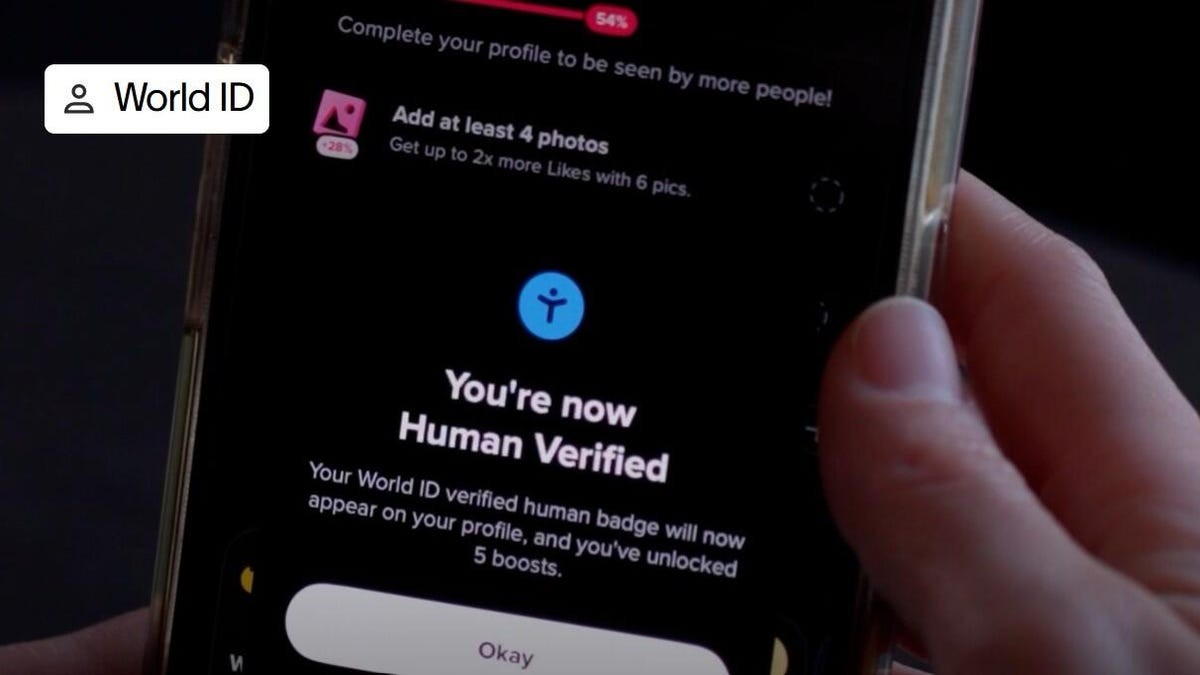
On Tinder, Match Group is piloting World ID for age verification, beginning in Japan. Users who pass the “human test” will receive a specific verification marker on their profiles. This move is designed to reduce the prevalence of bots and fraudulent profiles, which have long plagued the online dating industry.
🎫 Fighting the Ticket Bot Epidemic
The entertainment industry has long struggled with scalping bots that snatch up concert tickets in milliseconds. World ID has introduced Concert Kit, a tool that allows artists to sell tickets exclusively to verified humans, ensuring that fans—not algorithms—have access to live events.
A Growing Ecosystem of Trust
The momentum behind World ID is reflected in its expanding list of collaborators. The platform is currently working with a diverse range of industry leaders, including:
– Razer (Gaming and hardware)
– DocuSign (Digital signatures and legal identity)
– Shopify (E-commerce)
– Coinbase (Digital finance)
This broad adoption suggests that “proof of personhood” is becoming a necessary layer for almost every sector of the digital economy, from commerce to legal documentation.
As AI becomes more indistinguishable from human output, the ability to verify biological identity will likely become a standard requirement for navigating the modern internet.
Conclusion
World