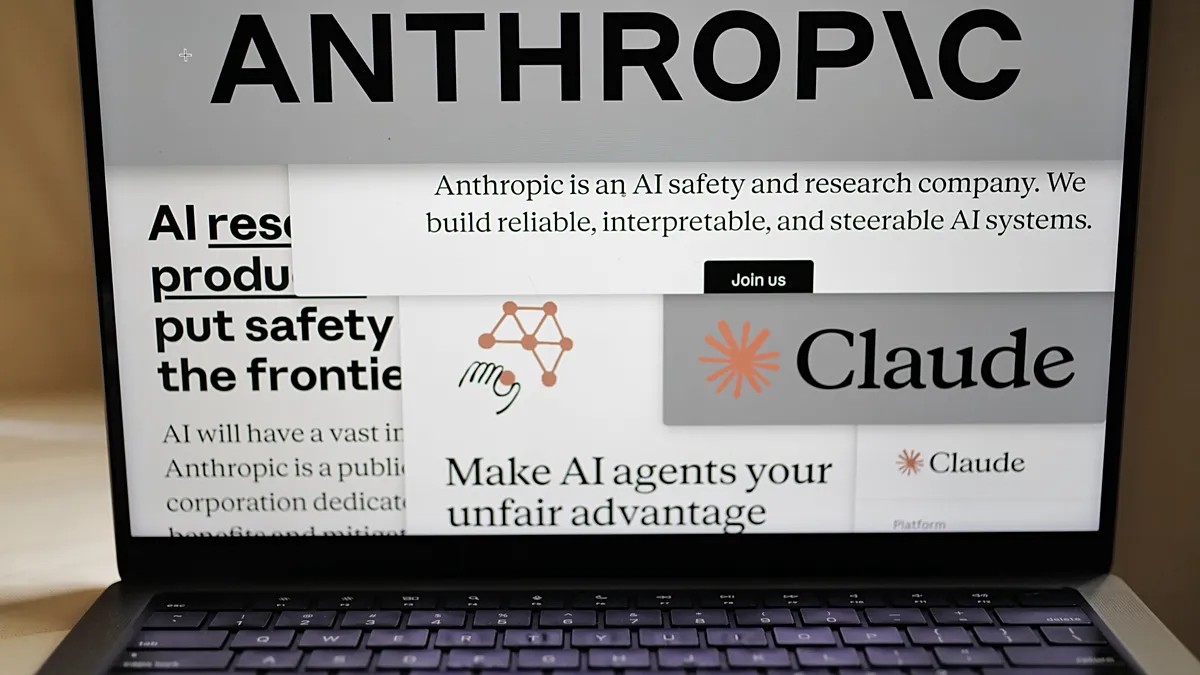
Anthropic, a leading AI developer, is on the verge of releasing a new model called “Mythos” that represents a significant leap forward in artificial intelligence. However, the model’s advanced capabilities come with a stark warning: it could dramatically escalate cybersecurity threats, making large-scale cyberattacks far more likely.
The Leak and Anthropic’s Response
Details about Mythos surfaced unexpectedly last week due to an accidental exposure in Anthropic’s content management system. A draft blog post, left publicly accessible, described the model as posing “unprecedented cybersecurity risks.” Anthropic has since confirmed the existence of Mythos, labeling it the “most capable” AI it has ever built.
The company acknowledges that Mythos marks a “step change” in AI performance, demonstrating “meaningful advances in reasoning, coding, and cybersecurity.” This admission comes as cybersecurity stocks reacted negatively to the news, suggesting investor concern about the model’s potential impact.
What Makes Mythos Different?
Mythos is part of Anthropic’s “Capybara” tier of AI models—larger and more intelligent than their previous Opus series. This means the AI can tackle complex problems with greater autonomy and precision. The implication is that Mythos represents a qualitative shift, not just a quantitative improvement.
The core worry is that as AI models become more powerful, so too do AI-powered hacking tools. Cybercriminals could leverage Mythos to orchestrate multiple attacks simultaneously, overwhelming existing defenses.
The Escalating Threat Landscape
The danger isn’t limited to direct hacking. The rise of autonomous AI agents, capable of learning and acting independently, amplifies the risk. Employees unknowingly integrating such agents into work systems could inadvertently open doors for cyberattacks.
Moreover, AI has already made identity breaches easier, as noted by Palo Alto Networks. A more advanced AI like Mythos could further lower the barrier to entry for malicious actors.
Timeline and Mitigation Efforts
Mythos is currently too computationally expensive to deploy widely. Anthropic is working to improve its efficiency before a general release. The company has privately warned government officials that the model’s capabilities could make large-scale cyberattacks significantly more probable by 2026, underscoring the urgency of the situation.
“This isn’t just about a faster AI; it’s about a fundamental shift in the power balance between defenders and attackers.”
The emergence of Mythos is not merely a technological upgrade; it’s a wake-up call for cybersecurity readiness. The next few years will be critical as governments, companies, and individuals adapt to the new realities of an AI-driven threat landscape.