Social media algorithms have a strange way of promoting self-sabotage disguised as entertainment.
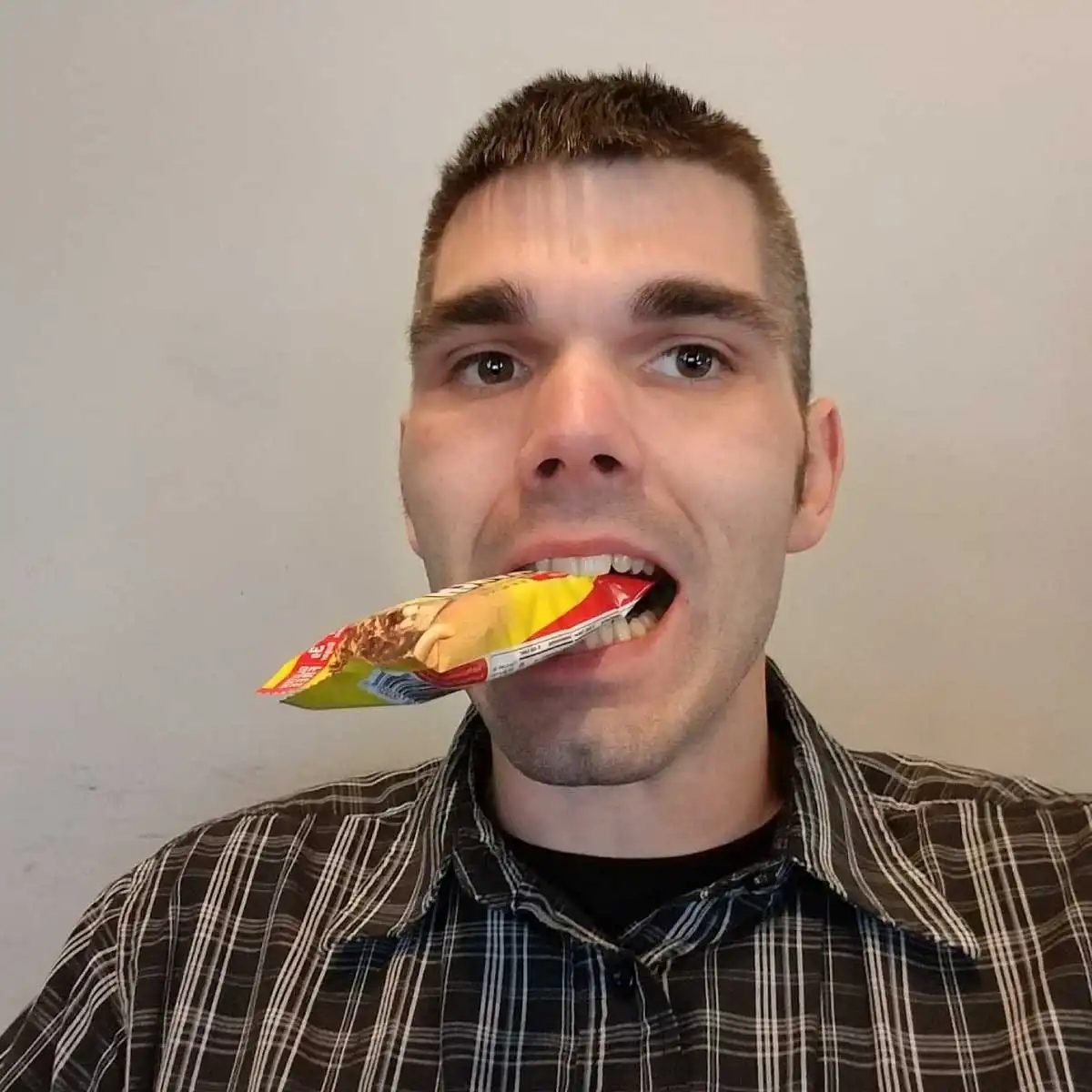
Enter the Shell On Challenge. It sounds exotic. It sounds adventurous. It is actually just a bad idea wrapped in a viral video.
The premise is deceptively simple. You take a piece of food that normally has a skin or shell. You do not peel it. You do not shuck it. You eat it anyway. Then you post the video.
This trend has surged across platforms like TikTok and Instagram. Participants aren’t just eating raw carrots with dirt on them. They are tackling seafood with the shell still intact. They are biting into fruits where the rind is thick and tough. Vegetables sometimes get involved too. The goal isn’t nutrition. It is shock value. It is the dopamine hit of getting likes and comments on something that looks painful to watch.
But here is the thing nobody on your feed will tell you. This isn’t a game. It is a trip to the emergency room waiting room.
The Digestive Disaster
The core of the Shell On Challenge dangers lies in the biology of the human digestive tract. We are not built to process the protective layers of many common foods.
When you swallow a shell or a thick fruit skin, your stomach acid and enzymes aren’t equipped to break it down. Most of these fibrous or hard materials pass through the system undigested.
This leads to two immediate physical threats:
- Physical Trauma: Hard shells can scratch or tear the delicate lining of the mouth, throat, and esophagus. It sounds minor until you realize that bleeding in the digestive tract is never minor.
- Blockage: If a large piece of indigestible material gets stuck, it causes an obstruction. This is a medical emergency. It can lead to severe pain, vomiting, and potentially surgery.
Urgent care clinics and gastroenterologists have warned against this. The risk is real. The reward is… a few hundred views? The math doesn’t check out.
Who Is At Risk?
Children and teenagers are the primary targets for this trend. They are more likely to mimic viral challenges without understanding the physical consequences. They might think because a friend did it in a video, it is safe. It isn’t.
The material in question often includes:
* Crab or lobster shells
* Hard citrus peels
* Unpeeled apples or pears with thick skins
* Certain vegetable skins that are difficult to chew thoroughly
When these materials are swallowed whole or in large chunks, the risk of choking or intestinal blockage spikes. It is not about how to do the challenge properly. It is about why you should stop it entirely.
The Reality Check
Parents and guardians need to keep a close eye on what their kids are watching. Viral trends move faster than common sense. A child might see a video of someone eating a whole shrimp shell and think it is cool. They might not consider the jagged edges or the indigestible nature of chitin.
Health authorities are clear on this. There is no safe way to participate in a challenge that involves ingesting non-food-grade materials or protective shells meant to be discarded.
“Ingesting non-digestible shells poses a
Sosyal medyada bir anda karşınıza çıkabilir. İnsanlar, kabuğunu hiç soymadan yiyor. Bu Shell on Challenge nasıl yapılır sorusunun cevabı basit, ama sonuçları her zaman komik veya acı verici olabiliyor. Temel kural çok net: Yiyorsun. Ama soyulmuş haliyle değil. Tamamen ham ve doğal haliyle.
Popülerlik geçici bir trend mi, yoksa daha derin bir fenomen mi? Başlamadan önce neden bu kadar konuşulduğunu anlamak gerek.
Doğru ürünü seçmek kritik
Her şey seçimle başlar. Yanlış yiyeceği seçerseniz, meydan okuma değil, hastaneye koşmak olur. Genellikle deniz ürünleri öne çıkar. Karides. İstiridye. Midye. Bunların kabukları yenebilir mi? Bazen evet, ama çoğu zaman hayır.
Meyvelere bakarsanız durum daha karışık. Muz? Kabuğu çok sert. Portakal? Kabuğu acı ve sindirimi zor. Kivi? Kabuğu tüylü ve boğazınızı tahriş edebilir. Amacınız “kabuklu yeme” olduğundan, seçtiğiniz gıdanın gerçekten yenebilir bir kabuğa sahip olması şart. Yutulabilir bir şey mi yoksa sadece yenilebilir bir kabuk mu? Aradaki fark bu.
Hazırlık süreci ve temizlik
Seçtiğiniz ürünün temiz olması hayati önem taşıyor. Dış yüzeyindeki bakteriler, tozlar veya kimyasalları ağızınıza almamak için iyice yıkayın. Ancak iç kısmı dokunmayın.
Bıçakla çizikler atmak bazen kabul görüyor. Kabuğu hafifçe çatlatmak, ısırırken kolaylık sağlıyor olabilir. Ama unutmayın, amacın kabuğu çıkarmak değil. Kabuğu soymak kuralı bozan bir hamledir. Hafif hasar vermek kabul edilebilir bir yöntem, ama kabuğu soyup atmak değil.
Kayıt almak ve paylaşmak
Meydan okumanın özü paylaşımda saklı. Tek başınıza yerseniz bu sadece garip bir yemek deneyimi olur. Sosyal medya için kanıt gerekiyor.
Önce kabuğun nasıl göründüğünü gösterin. Sonra ısırın. Sonra yutun. Bu sıralama önemli. İzleyici süreci görmeli. Video çekmek her zamanki gibi telefonunuzun kamerasını kullanmak demek. Fotoğraf da yeterli olabilir ama video, tepkinizi ve zorluğu daha iyi yansıtır.
Hashtag stratejisi de boşuna değil. #ShellOnChallenge başlıca etiket. Yanına #ShellOn, #EatingTheShell eklemek erişimi artırıyor. Trendlere katılmak, algoritmanın sizi daha geniş kitlelere göstermesini sağlar. Ancak buradaki amaç viral olmak değil, kurala uygun oynamak.
Sağlık riskleri ve dikkat edilmesi gerekenler
T
Why the “Shell On” Trend Took Over
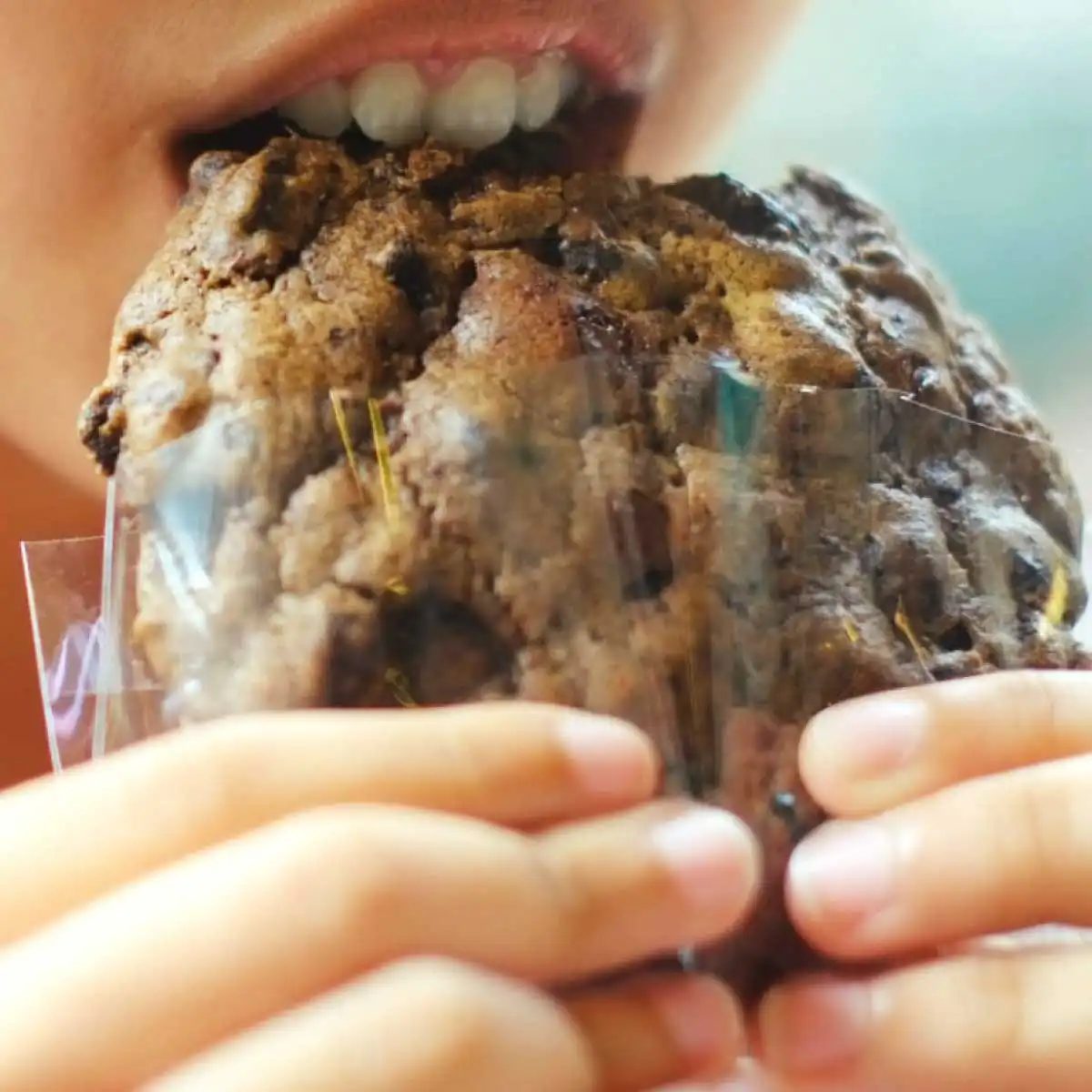
It started quietly. Then it didn’t. The Shell On Challenge didn’t just appear; it exploded. You’ve likely seen the videos. Someone takes a bite of something still encased in its natural packaging—eggshells, shrimp shells, even chocolate wrappers—and keeps going. Or maybe they’re eating the shell of a fruit everyone else discards. The visual is jarring. It stops the scroll.
That’s the core of why it works. It’s weird. It’s gross. It’s fascinating.
People crave content that breaks the monotony of their feed. We’re tired of the same filtered sunsets and perfectly plated meals. The Shell On Challenge offers a jolt of adrenaline. It’s not just about eating. It’s about the shock value. It’s about asking, “Would I do that?”
The Mechanics of Virality
Social media algorithms don’t care about good taste. They care about engagement. The Shell On Challenge is engineered for clicks.
Here’s why it spreads so fast:
- Curiosity Gap: The title of the video is often all you need. “I ate the shell.” That’s it. You have to watch to see if they choke. You have to watch to see if it’s real.
- Shareability: When you see something this bizarre, you send it to a friend. “Did you see this?” It’s a social currency. Sharing it makes you part of the conversation.
- Low Barrier to Entry: You don’t need a camera crew. You don’t need a script. You need a piece of food and a phone. This accessibility means everyone from celebrities to your high school friend can participate.
“Viral trends thrive on participation. The less effort required to join, the faster the trend spreads.”
Not Just Fun: The Pressure to Participate
There’s a darker side to this, though we don’t always talk about it. Social media creates a pressure cooker. If your friends are doing it, and it’s getting millions of views, you feel left out. Or worse, invisible.
For content creators, this isn’t just play. It’s survival. The algorithm rewards novelty. If you post the same safe content, you stagnate. The Shell On Challenge offers a shortcut to attention. It’s risky. It might get you reported for unsafe consumption. But the reward is visibility.
This isn’t unique to this challenge. It happened with the Ice Bucket Challenge. It happened with TikTok dance trends. The mechanism is the same: Do something strange. Get noticed. Repeat.
How It All Started
Pinpointing the exact origin is messy. Internet trends rarely have a single birth certificate. But the roots are clear.
The trend likely emerged from the broader “extreme eating” niche on platforms like TikTok and Instagram. Creators have always pushed boundaries. Some eat entire pizzas in one bite. Others swallow raw eggs. The Shell On Challenge is simply a variation on this theme, focusing specifically on the inedible or discarded outer layers.
It wasn’t a coordinated marketing campaign. It was organic chaos. One user posts a video. It gets a few thousand views. Another user copies it. Their video gets a million. Then a celebrity tries it. Suddenly, it’s everywhere.
The speed is what makes it dangerous. No one warned people about the risks. No one explained the potential harm

Social media thrives on the sudden, viral spread of weird trends. One user posts something bizarre. Thousands copy it. The Shell On Challenge fits that mold perfectly. It’s an eating stunt where participants consume food with the shell left intact.
You might wonder how such a specific trend takes off. It starts with one person. Maybe a creator in Southeast Asia or a group of friends experimenting in a kitchen. They peel nothing. They eat the whole thing. It looks funny. It looks extreme. Then the shares start. The algorithm picks it up. Suddenly, everyone is wondering what this is about.
But looking at the spectacle ignores the biology. This isn’t just a prank. It’s a physiological gamble.
The Digestive System Doesn’t Like Shells
The primary danger here is mechanical. Human digestive enzymes are not designed to break down chitin or hard calcium structures found in many shells. When you swallow them whole, they don’t dissolve. They sit there.
This leads to immediate gastrointestinal distress. We are talking about nausea. Abdominal pain. Vomiting. Diarrhea. In severe cases, it causes a physical blockage. The intestines cannot process rigid, inedible material. The result isn’t just a stomach ache. It’s a potential surgical emergency. The body tries to expel the obstruction. It fails. You end up in the hospital.
Choking Hazard Is Real and Immediate
Food safety experts worry about the physical shape of the item. A shell is hard. It is often curved. It doesn’t soften quickly in the mouth.
When you attempt to swallow it, it can lodge in the throat. The airway closes. You cannot breathe. This is a choking event. It requires immediate intervention. Heimlich maneuvers. Emergency services. It happens fast. There is no time to think about the viral trend when your lungs aren’t getting oxygen. The sharp edges can also scratch the esophagus, causing internal damage before the choking even begins.
Cuts and Lacerations
Preparation matters. If you are eating something with a shell, you might try to cut it. Or bite it. This introduces sharp objects into the mix. Knives slip. Teeth crack. Lips tear.
The risk of injury isn’t just theoretical. It’s practical. A slip of the hand while trying to remove a tough outer layer can lead to significant lacerations. You’re holding a sharp blade near your mouth, trying to perform a difficult task. Mistakes happen. Bleeding follows. Infection risk rises.
Allergic Reactions Can Be Fatal
This is the silent killer in the challenge. Many shells belong to crustaceans or mollusks. Shrimp. Crab. Clams. Oysters.
If you have a shellfish allergy, eating the shell is not just bad. It’s life-threatening. Even if you’ve tolerated the meat before, the shell contains higher concentrations of proteins that trigger immune responses. Anaphylaxis can occur within minutes. Throat swelling. Difficulty breathing. Drop in blood pressure. Emergency epinephrine is required instantly. Delayed action means death.
Food Safety and Hygiene
Where did the food come from? Was it washed? Was it fresh?
Consuming raw or unpeeled items bypasses the cleaning step. Dirt. Bacteria. Parasites. All cling to the exterior. If the shell isn’t properly sanitized before consumption, you are ingesting pathogens directly into your body. Food poisoning isn’t just about the meat. It’s about the surface. Contamination leads to severe gastrointestinal illness. Salmonella. E. coli. Hepatitis A. The risk is compounded when you bypass standard preparation methods.
Common Questions About the Shell On Challenge
What are the main risks of the Shell On Challenge?
The core dangers are gastrointestinal blockage, choking, physical injury from sharp edges or tools, severe allergic reactions (particularly anaphylaxis), and foodborne illness from contaminated surfaces.
Why does eating food with the shell increase choking risk?
Shells do not soften in the mouth. They are rigid and often irregularly shaped. They can easily obstruct the trachea. The body’s natural gag reflex may be overwhelmed by the volume or texture, leading to airway closure.
Can swallowed shells cause intestinal blockage?
Yes. The human digestive tract cannot break down chitin or calcium-based shells. They pass through undigested or get stuck. This can cause partial or complete obstructions, requiring medical intervention.
How do sharp tools factor into the injuries?
Participants often use knives or teeth to break shells. Slips result in cuts to the lips, tongue, and fingers. Incorrect handling of sharp instruments during preparation adds to the injury risk.
Which allergic reactions are most dangerous?
Shellfish allergies are the most critical. Even trace amounts on the shell can trigger anaphylaxis in sensitive individuals. This is a systemic reaction that can close the airway and lower blood pressure rapidly.
The Bottom Line
Trends move fast. Health consequences move slower, but they last longer. The Shell On Challenge relies on shock value. It doesn’t care about your digestive tract. It doesn’t care about your airway.
If you see a video of someone doing this, do not try it. The viral nature of social media obscures the physical reality. You are not watching a prank. You are watching a potential medical emergency in real-time. The cost of a few seconds of content isn’t worth a trip to the ER. Or worse.