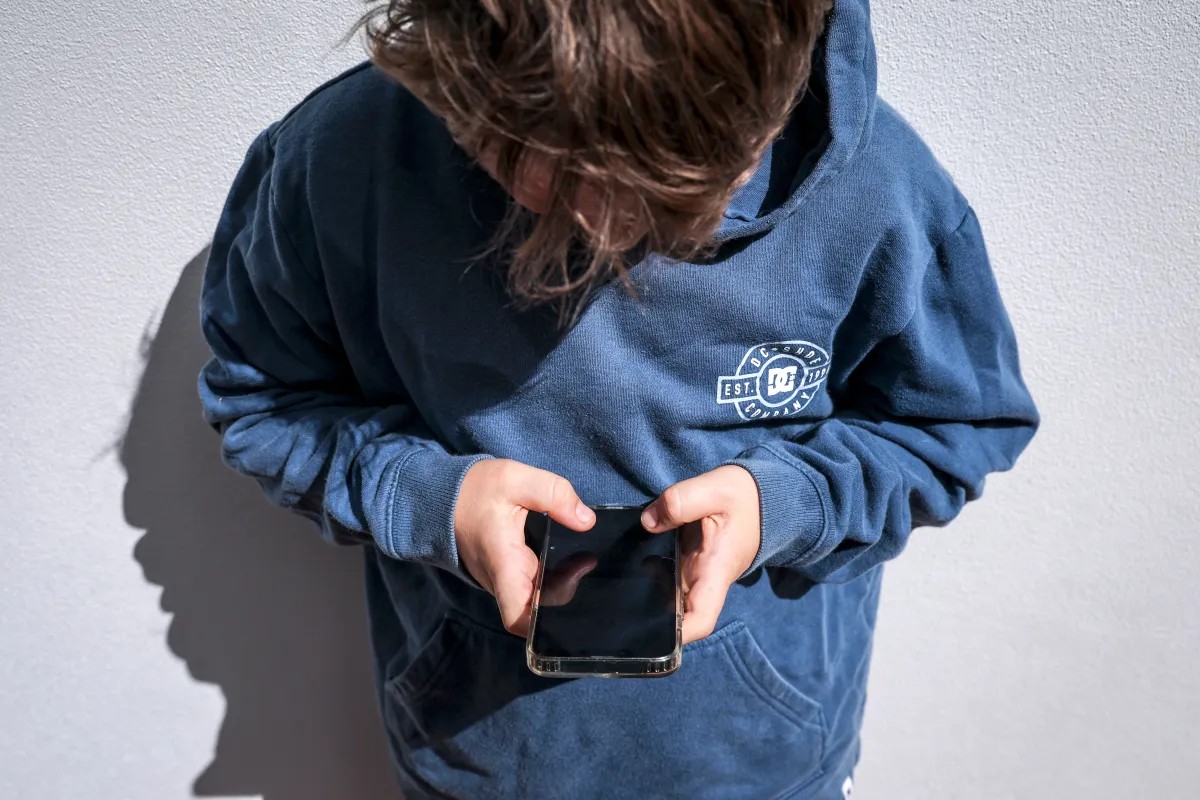
A digital safety crackdown is sweeping the globe.
Gone are the days when social platforms were the wild west. Now, governments from Europe to Asia are drawing hard lines. The goal? Protect kids from the digital dangers lurking behind the screen.
Cyberbullying. Addiction. Predators. The risks are real, and they’re getting sharper.
Australia went first. They set the bar at age 16. Now, France is following suit. Dozens of other nations are drafting or passing legislation. It’s a fragmented but accelerating movement.
Why the rush?
Because parents and politicians are losing patience.
The push for strict age verification
The core of these bans is simple: keep young users off mainstream social apps.
But enforcement is messy. How do you verify age online? Most platforms can’t be trusted to ask nicely. “I’m 18,” says a 13-year-old. That’s not verification.
The Australian model demands multiple verification steps. No more self-declared ages. Companies like Meta or TikTok must actively stop minors.
Fail to comply, and the fines sting. Australia’s penalties hit $49.5 million AUD per violation. That’s real money. It forces compliance, or at least, it tries to.
Critics argue this is invasive. Privacy advocates hate the data harvesting required for strict ID checks. Amnesty Tech calls it ineffective. They say it pushes kids to darker corners of the internet where controls are nonexistent.
Does that matter? Not to the legislatures passing these laws. They’re moving anyway.
Countries enforcing or planning social media bans
The landscape is changing fast. Here is who is acting, and when.
Australia: The pioneer
Australia led the charge. Since December 2025, children under 16 are banned.
The list of blocked platforms is long:
- Snapchat
- Threads
- TikTok
- X
- YouTube
- Twitch
- Kick
WhatsApp and YouTube Kids are exempt. The logic? Encrypted messaging and curated kids’ content are treated differently. But the main feed is off-limits.
France: Rapid implementation
France just passed a law on July 21. It bans access for anyone under 15.
The timeline is tight. Implementation could start as soon as September 1.
France isn’t stopping at social media. They’re also banning mobile phones in high schools. Primary and middle schools already have these rules. The extension shows a broader anxiety about screen time in education.
United Kingdom: Enforcing by 2027?
Keir Starmer announced the UK ban on June 15.
Like Australia, the threshold is age 16. Snapchat, TikTok, YouTube, and X are on the chopping block. WhatsApp and Signal remain safe zones.
There’s a twist, though. The UK is also targeting AI. “Romantic companion” chatbots are restricted to users over 18. It’s a weirdly specific addition, but it highlights the expanding definition of online harm.
Experts doubt the ban will hold. Starmer agrees enforcement is hard. He still believes it’s possible. Target date? Spring 2027. That’s a long way away.
France and the European Wave
It’s not just France. Several EU neighbors are joining in.
Germany’s Chancellor Friedrich Merz proposed blocking under-16s. His coalition partners are hesitant, though. Politics moves slower than policy drafts.
Denmark secured cross-party support. The ban targets under-15s. Law could pass by mid-2026. They’re also testing a “digital evidence” app for age verification.
Greece is setting a 2027 start date. Prime Minister Mitsotakis cites rising anxiety and sleep loss as primary drivers. It’s not just about predators; it’s about health.
Spain plans an under-16 ban. Parliamentary approval is pending. But they’re adding a new layer: personal accountability. Social media execs could face criminal liability for hate speech. That’s a terrifying prospect for boardrooms worldwide.
Poland and Slovenia are drafting laws for under-15s. The focus in Slovenia is on shared content platforms like TikTok and Instagram.
Asia: Heavy restrictions
Indonesia banned under-16s in March. The list includes Bigo Live and Roblox alongside the usual suspects. It’s an aggressive approach.
Malaysia announced its ban in November 2025. Implementation is scheduled for this year. They aren’t waiting around.
Other notable moves
Turkey passed a bill for under-15s in April. President Erdogan’s signature is the final step.
Canada introduced a digital safety bill in June. It mirrors the under-16 approach. However, companies can avoid the ban if they prove they have robust safety policies. It’s a “show me the money” approach to regulation. Officials estimate a year for passage.
The debate: Safety vs. Privacy
Is this effective?
That’s the question haunting policymakers.
Blocking access relies on identification. But IDs leak. Kids share accounts. They use friends’ profiles. A ban creates friction, not a wall.
Privacy advocates warn about the surveillance state. To verify age, platforms collect more data. Biometric scans? ID uploads? That creates a honeypot for hackers.
And yet, the political momentum is undeniable. The fear factor is winning.
Mental health stats are troubling. Sleep deprivation in teens is at crisis levels. Politicians are reacting to visible symptoms. They aren’t solving the root cause. But they are drawing a line.
The result? A fragmented digital world. A 15-year-old in France might be locked out. A 15-year-old across the border might still scroll.
Where do you draw the line?
It’s a question without a clean answer. But for now, the line is being drawn in sand. And the tide is coming in.